Brand Film Production for Companies Ready to Own a Point of View
A brand film is not a feature list with expensive lenses. It is a short cinematic argument for what your company believes, whom it serves, and how it wants to be remembered. Done well, it becomes the emotional and visual center of gravity for campaigns, websites, events, and sales narratives.
Grey Sky Films creates brand films for organizations that have outgrown generic stock-led identity reels. Our brand and commercial production services help marketing leaders translate positioning into image, sound, and story. Whether you operate nationally or from hubs in New Jersey, New York, Pennsylvania, or Connecticut, the bar is the same: the film should feel unmistakably yours.
That bar is higher than many teams expect. Audiences have seen thousands of “inspirational” montages. What cuts through is a precise idea executed with restraint and craft—an idea your competitors would be uncomfortable copying because it is too specific to your point of view. Specificity is not a narrowing of ambition; it is how brand memory forms.
Use this guide to decide when a brand film is warranted, how to structure creative development, what production entails, and how to keep the work strategically useful—not merely beautiful. If you are mid-rebrand or preparing a major go-to-market chapter, treat the film as a strategic deliverable with the same rigor you apply to messaging frameworks.
Key Takeaways
Brand films express positioning and emotion; they are not substitutes for product demos or hard-sell spots.
Creative development (territories, treatments, boards) is part of the product—not optional polish.
Distribution should be defined early: launch films, website heroes, event opens, and social cutdowns need different runtimes.
Original photography and sound design usually outperform over-reliance on stock for distinctive brands.
Measure success by clarity of memory and message lift, not only view counts.
Study tonal references in our case studies before approving a creative territory.
What a Brand Film Is
Brand films (sometimes called brand anthems or brand stories) prioritize meaning over mechanics. They may feature customers, employees, metaphorical visuals, or product-in-world moments, but the organizing idea is brand positioning: a point of view about the category and the audience’s aspirations or tensions.
They differ from corporate overviews (more institutional and explanatory) and commercials (more offer- and response-driven), though a brand system often includes all three. A brand film sets the emotional frame; other assets do the teaching and converting.
Many companies commission a brand film as the hero piece inside larger content packages, then derive social chapters, stills, and campaign end pages from the same creative world.
When to Commission a Brand Film
Commission a brand film during rebrands, category leadership pushes, major anniversaries, new market narratives, or when your visual identity on video lags your positioning on paper. It is especially useful when competitors all sound the same and you need a memorable stake in the ground.
Repositioning: You have a new promise and need audiences to feel it quickly.
Category creation: You must teach a worldview, not only a SKU.
Internal rally: Employees need a shared story as much as external audiences do.
Flagship moments: Conferences, investor days, or campaign launches need a cinematic open.
If you primarily need lead-gen performance creative this quarter, start with commercials and proof assets; nest the brand film when you can give it the strategic oxygen it requires.
Creative and Production Process
Brand film production begins with strategy translation: positioning, audience tensions, proof you can show, and non-negotiable brand codes. From there, creative teams explore territories—distinct ways into the idea—before locking a treatment. Only then does production design, casting, locations, and schedule follow.
Phase
Outputs
Decision to make
Strategy alignment
Brief, audience insights, brand codes
What must the film make people feel and believe?
Creative territories
2–3 distinct directions
Which idea is most ownable?
Treatment & boards
Narrative, visual world, sound approach
Approve look, story, and scope
Production
Principal photography / animation
Protect the idea on set
Finishing
Edit, color, mix, versions
Lock emotional arc and brand accuracy
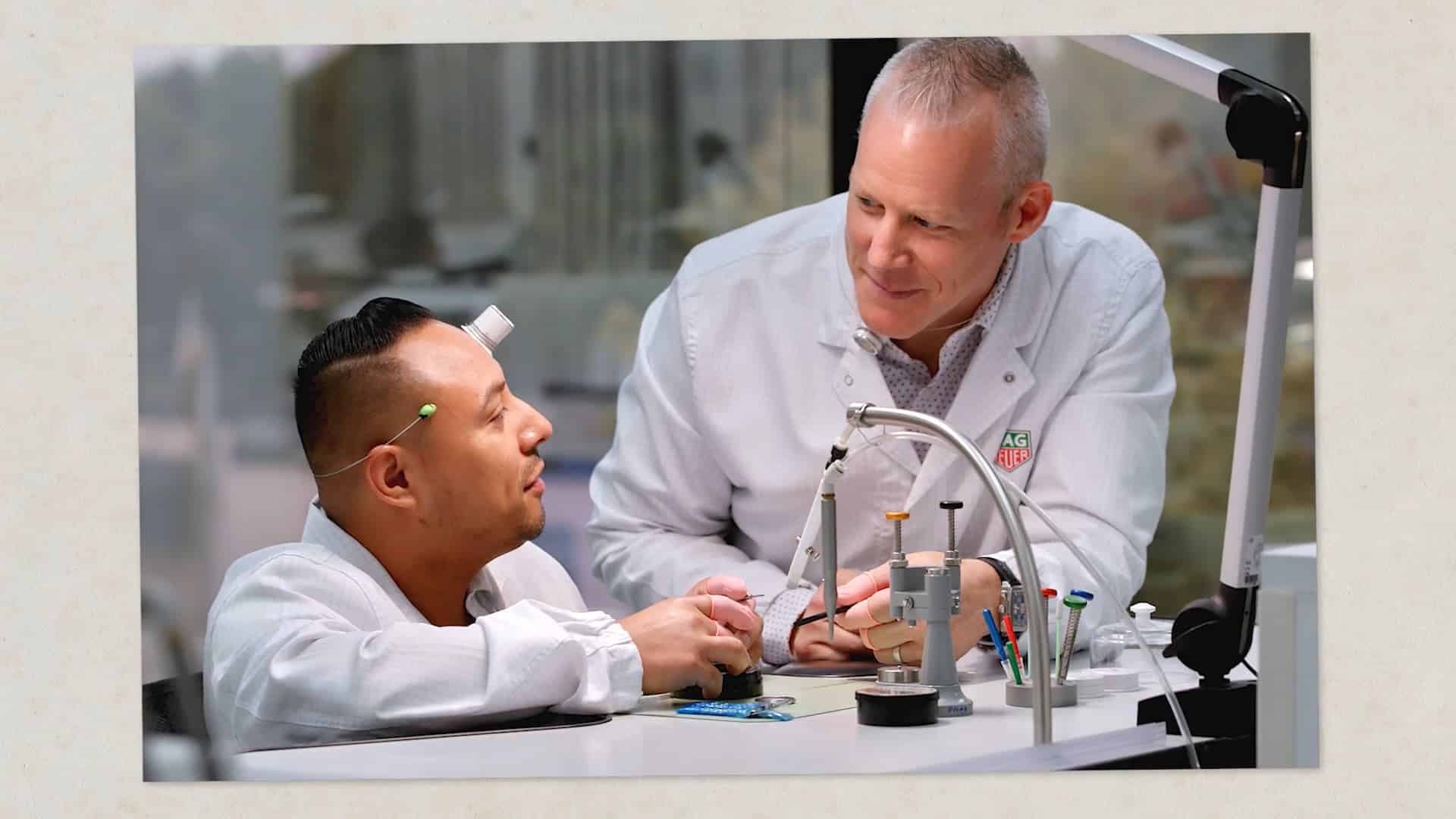
Craft quality is part of the brand signal. The sample below is an example of professional production craft—composition, motion, and finish—that brand films rely on to feel premium and intentional.
Best Practices for Brand Storytelling on Film
Commit to one idea. Brand films that try to cover every pillar become mood boards without memory. Use specificity: real environments, distinctive casting, sound design that is not the same licensed epic track every category uses. Let silence and pacing work; not every second needs VO.
Connect emotion to a truth your buyers recognize. Aspiration without credibility feels hollow; proof without feeling feels inert. The best brand films marry both. Keep legal close enough to prevent claim issues without sanding the idea into neutrality.
Design cutdowns during creative, not after. Vertical and six-second expressions should still feel like the same brand world.
Budget Factors and Scope Choices
Brand film budgets reflect ambition of the visual world: cast size, locations, production design, specialty cinematography, original music, VFX, and finishing. A restrained documentary brand film can be powerful at a moderate budget; a highly art-directed cinematic piece will not be.
Do not confuse cost with strategy. An expensive film with a fuzzy idea underperforms a sharper film at a disciplined scope. Ask partners to price creative development separately from production so you can evaluate idea quality before committing to a large shoot.
Category norms vary—luxury, industrial, healthcare, and tech each signal quality differently. Browse industries we serve for context, and use service areas when location strategy matters to the story.
Common Brand Film Mistakes
Approving a treatment that looks beautiful but could belong to any competitor. Overwriting VO so nothing is left for the image to say. Casting stereotypes instead of people who reflect your real audience. Launching the film without a channel plan, then wondering why it only played once at a sales meeting.
Another mistake is treating the brand film as a substitute for proof. Pair it with case studies, product education, and commercials so emotion has somewhere to convert.
How to Select a Brand Film Partner
Look for strategic curiosity and distinctive taste. Ask to see full films, not only montage reels. Discuss how they develop territories, handle stakeholder alignment, and protect ideas through production. Confirm they can extend the brand world across deliverables.
Learn more about Grey Sky Films at greyskyfilms.com, then share your positioning docs and launch timeline when you are ready to explore creative.
To scope a brand film or brand-led campaign system, request a quote with audience, must-express ideas, and where the film needs to live.
Building a Brand World Beyond a Single Film
A brand film should inaugurate a visual and narrative world you can live in for more than one launch week. That means defining codes: color behavior, typography motion, photographic texture, casting sensibility, sound motifs, and pacing. When those codes are clear, social cutdowns, event opens, product films, and even still campaigns can feel related without repeating the same edit.
Document the world in a short brand-film style guide after the first project: approved frames, do/don’t references, music direction, and rules for logo reveals. Future partners and internal teams will move faster and stay coherent. Without that documentation, each new vendor reinvents your look—and audiences experience brand drift even if messaging stays stable.
Consider how the film pairs with proof. Brand emotion opens the door; case studies, demos, and commercials walk people through it. Plan the ecosystem so the brand film is not asked to do conversion work it was never designed to do. Conversely, do not starve the brand film of media or homepage placement after investing in cinema-level craft; unused brand films teach organizations that craft does not matter.
If you operate in multiple regions, decide which cultural details are universal and which need localization. A national brand idea can hold while casting, locations, or language adapt. Build that flexibility into the treatment when expansion is foreseeable, rather than forcing a single cast and setting to represent every market awkwardly.
Aligning Leadership Around a Creative Territory
Brand films often stall in subjective debate—”I like this one better”—because stakeholders lack shared criteria. Establish evaluation questions before reviewing territories: Is the idea ownable in our category? Does it dramatize our positioning? Can we produce it at a quality level that matches ambition? Will it extend across channels? Does it risk confusion with a competitor’s recent work?
Run territory reviews with examples and constraints visible. Show what the idea looks like as a :06 and a :90, not only as a poetic paragraph. Include rough cost bands so leadership does not fall in love with an unproducible direction. Creative ambition is healthy; surprise budget inflation after approval is not.
Score territories against positioning language already approved by brand strategy.
Invite legal early if the idea hinges on a claim or comparative framing.
Appoint a final decision owner; consensus is a tool, not a requirement for every frame.
Record why a territory won so later reviewers do not reopen settled strategy.
Once a territory is chosen, protect it on set. Production will surface tempting alternate shots and witty lines; some will be gifts, others will dilute the idea. A clear creative north star helps directors and editors say yes and no with confidence.
Sound, Music, and Voice in Brand Films
Brand films are heard as much as they are seen. Music choice can accidentally place you in a generic category mood—”epic hopeful,” “quirky ukulele,” “dark techno”—that dozens of competitors already occupy. Prefer distinctive composition, unexpected restraint, or carefully negotiated licenses that feel native to your brand codes. Silence and ambient sound can be strategic tools, not empty gaps.
Voiceover, when used, should sound like a point of view rather than an announcer reading features. Write for the ear: shorter sentences, concrete images, room for the picture to complete the thought. If you use on-camera voices instead, cast and coach for credibility. A mismatched voice can break an otherwise strong visual world.
Finish with a professional mix. Uneven levels, harsh dialogue, and music that fights speech are common reasons otherwise beautiful films feel amateur in real viewing environments—laptops, phones, and event PA systems included. Budget finishing as part of brand quality, not as an optional polish line.
Frequently Asked Questions
How long should a brand film be?
Many flagship brand films land between 60 and 150 seconds. Longer can work for events; shorter cutdowns should be planned for digital.
Is a brand film the same as a commercial?
No. Commercials typically drive a nearer-term action or offer. Brand films prioritize meaning and memory. Campaign systems often include both.
Do we need original music?
Not always, but custom or carefully licensed music elevates distinctiveness. Avoid the most overused “inspirational” tracks in your category.
Can animation carry a brand film?
Yes, especially for abstract ideas or tech narratives. Motion design still needs a strong conceptual spine and brand-true art direction.
How do we brief a production company?
Share positioning, audience tensions, competitors to avoid visually, distribution plans, and examples of tone (not copies). Include what success looks like qualitatively.
Should employees appear on camera?
If they embody the brand truth, yes. Forced cameos without narrative role weaken the film. Use people as proof of culture or craft when it serves the idea.
Conclusion
Brand film production is how companies make positioning visible and memorable. The work demands a clear idea, disciplined creative development, and production craft that matches the ambition of the message.
If your brand is ready for a film that feels owned—not borrowed—Grey Sky Films can help you develop and produce it. Request a quote to begin creative scoping.
Need Help With Your Brand Video?
Talk with Grey Sky Films about planning, producing, and delivering brand video that supports your brand and business goals.
We combine strategic thinking with cinematic storytelling to create videos that not only look great and also drive real results, and here’s what makes us different.
25+ Years Experience
Award-winning expertise you can trust
National & International
Serving clients across NJ, NY, PA, CT and beyond
Full-Service Production
End-to-end solutions from concept to delivery
Multi-Industry Specialists
Experts in Healthcare, Pharma, Industrial, Non-Profit and more
Real Clients, Real Reviews
Don’t just take our word for it! Hear directly from the brands and businesses we’ve partnered with to bring their stories to life.
"I’ve worked with GSF on several projects over several years and I knew they would knock it out of the park with the production. Mark Serao, as a director, is very observant, very collaborative with no ego, and he’s great at problem-solving. It was a fun [project] to do!”
Rob SchnappSenior Vice President, Executive Creative Director, Coyne PR
“We were going through a rebrand process and we needed a partner that was agile and could jump right in and satisfy our video needs. We needed to trust that we took on a partnership to deliver work that was of the same quality that we deliver to our clients, and the Grey Sky team did just this, they exceeded our expectations.”
Jess SpataroBrand Director/Strategist Lead, Studio Eagle
“Wow! I love working with Grey Sky. They put a tremendous amount of effort into every project. 1) They care about the quality of the work. 2) They care about you as a client. 3) They want to ensure that you get everything you need and more. You can tell that they care about the relationship and will work hard to deliver high quality, ahead of schedule and at a reasonable price. It’s rare to find a partner who delivers so much on every level.”
Alon FederDirector of Marketing, Leafguard
“We had an incredible experience working with the team at Grey Sky Films. Their creative ideas and direction helped us translate our message to a series of television commercials which have been well-received by our target audience.”
Rhonda MarazitiChief Marketing Officer, Withum+
"The team at Grey Sky is fantastic to work with-professional, responsive, and attentive to our needs. They provide excellent creative direction and make it easy to collaborate, even though none of our film participants are professional actors. The final product is always outstanding."
Phillippe BeekmanSenior Vice President, Hunterdon Health Foundation
"I’ve worked with Grey Sky Films for over a decade. They were the first production company I hired after interviewing countless others, and that decision set the tone for everything that followed. Mark and Dana were deeply invested in the project from the start. They consistently went above and beyond to create a professional, comfortable on-set environment, while also pushing the creative to ensure the final product was something we were all truly proud of. Over the years, I continued collaborating with the Grey Sky team as both an actor and producer, building a relationship rooted in trust, creativity, and shared vision. I’m especially proud to say that our most recent project together brought award-winning actors to set and attracted the attention of producers who went on to pitch the pilot to major networks, including The WB, Freeform (now part of The Walt Disney Company), and Paramount."
Stacey Van Gorder LeungProducer, Founder SV Acting Studio
Our Simple Process
From the first call to a final cut, our streamlined method ensures clarity, creativity, and results without the stress or guesswork.
We start by understanding your goals, audience, and vision through in-depth consultation
Plan
Develop a comprehensive strategy including scripting, storyboarding, and production scheduling
Action
Execute the production and deliver a polished final product that achieves your objectives
Our Clients
Trusted by leading brands across all industries
Ready To Start Your Project?
From initial concept to final delivery, we handle every step of the video production process, crafting powerful stories that captivate your audience, amplify your brand, and drive real results.