Recruiting Video Production for Employer Brands That Need Signal, Not Spin
Recruiting video is how employers compete for attention in a market where job posts blur together. Candidates want evidence: what the work feels like, who they will learn from, how teams collaborate, and whether the company’s values show up in daily behavior. A strong recruiting film answers those questions faster than a careers page paragraph.
Grey Sky Films produces recruiting and employer-brand video for organizations hiring across competitive talent markets. Our video production services help People, talent acquisition, and marketing teams capture authentic employee voices without turning culture into a slogan montage. Employers in the NJ/NY/PA/CT corridor—and national brands hiring remotely or across hubs—use these films on careers sites, LinkedIn, job boards, and campus events.
The strongest employer-brand work respects candidates as decision-makers. People are evaluating fit, growth, stability, and meaning under time pressure. Video that only celebrates perks undersells the job; video that only lists tasks undersells the human environment. Balance is the craft: show the work and the people who make it worthwhile.
Below: formats that work, when to invest, how to produce recruiting content ethically and effectively, budget drivers, and common mistakes that hurt credibility with the candidates you most want. Share it with talent acquisition and brand marketing so both teams brief production from the same expectations.
Key Takeaways
Recruiting videos should help the right candidates self-select in—and the wrong fit self-select out.
Employee-led authenticity outperforms executive-only messaging for most roles.
Role-specific cuts often convert better than one generic culture anthem.
Show real work environments and rituals; avoid interchangeable stock culture tropes.
Align talent brand claims with candidate experience; video cannot fix a broken process.
Reference employer-brand examples in our case studies when defining tone.
What Recruiting Video Production Covers
Recruiting video production includes employer-brand films, team or role spotlights, day-in-the-life pieces, apprenticeship or early-career stories, hiring manager messages, and short social ads that drive applications. Production typically blends interviews with observational footage of real work—labs, floors, offices, kitchens, clinics, or field environments.
The goal is credible attraction. That means highlighting growth, craft, mission, teammates, and expectations with equal honesty. Overpromising culture creates early attrition; under-showing distinctiveness leaves talent indifferent.
Many talent teams pair a hero culture film with modular role clips inside content packages, so evergreen employer brand and always-on hiring needs stay fed from shared production days.
When Recruiting Video Is Worth Prioritizing
Prioritize recruiting video when you face competitive hiring, high-volume roles with weak differentiation, employer-brand refreshes, campus recruiting seasons, or hard-to-fill specialist positions that need a richer story than a JD can carry.
Careers site hero: Orient visitors to who you are as an employer.
Role campaigns: Speak directly to engineers, clinicians, creatives, operators, or sales.
Social and job boards: Short cuts that earn the click to apply.
Events and referrals: Shareable films employees are proud to pass along.
If your hiring funnel is broken operationally, fix response times and interview quality in parallel. Video amplifies brand; it does not replace fundamentals.
How Recruiting Video Production Works
Start with audience and role realities: what candidates fear, what they want to learn, and what is genuinely true about working there. Build a question set that surfaces specifics—projects, mentorship, pacing, tools—not abstract values. On shoot days, capture interviews and the work itself. In edit, prioritize concrete moments over montage clichés.
Asset
Primary use
Runtime guide
Employer brand film
Careers homepage, events
60–120 seconds
Team / role spotlight
Job posts, recruiting campaigns
45–90 seconds
Day-in-the-life
Nurture content, campus
90–180 seconds
Social hiring ads
Paid and organic social
6–30 seconds
Leadership welcome
Offer acceptance, onboarding
45–75 seconds
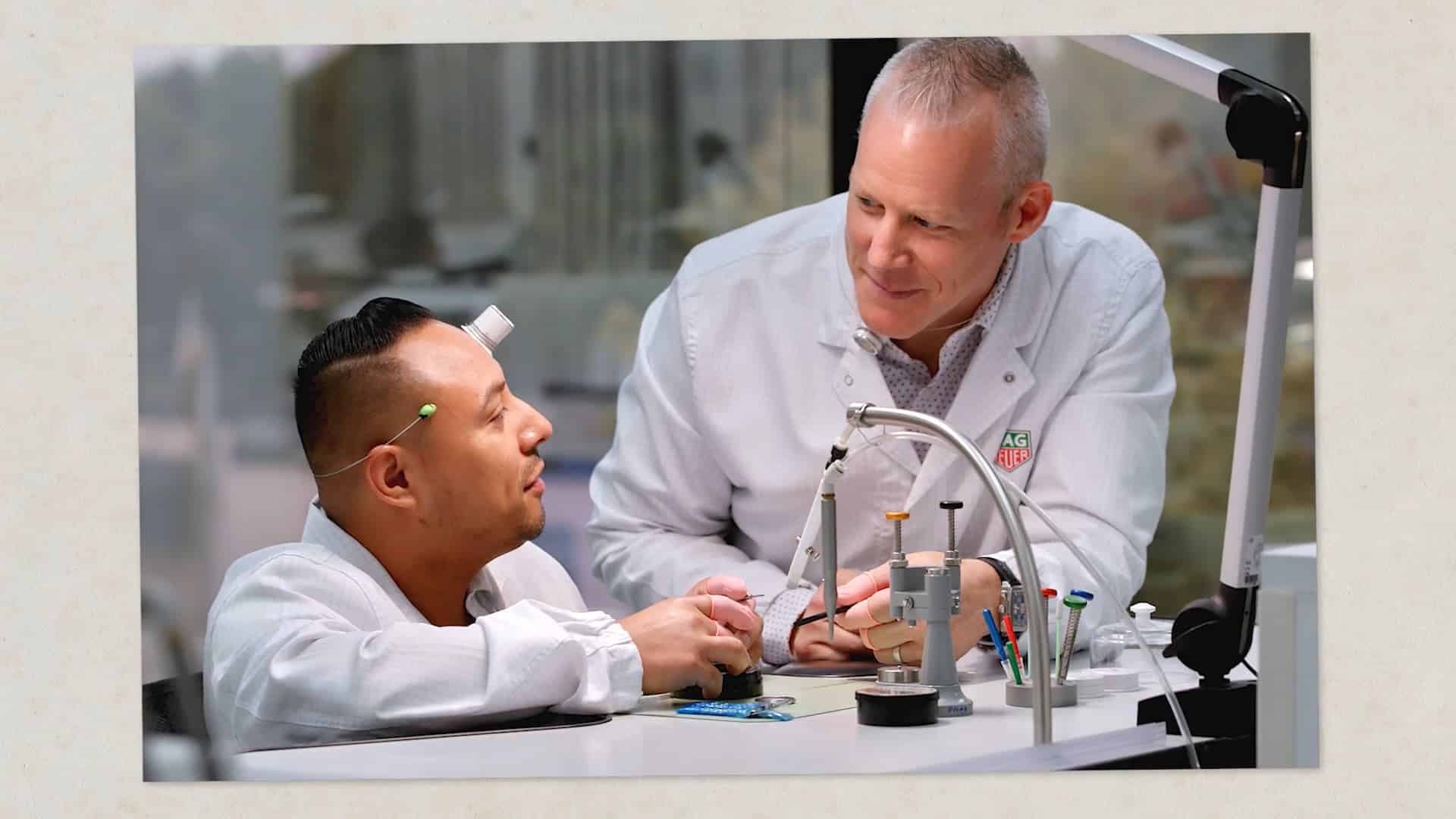
Recruiting audiences notice production care. The sample below illustrates professional production craft—lighting, pacing, and finish—that signals a serious employer brand rather than an improvised phone montage.
Best Practices for Authentic Employer Brand Films
Feature a mix of tenure and roles. Let employees describe challenges as well as perks; credible tension builds trust. Show the work product, not only the snack pantry. If apprenticeship, mentorship, or craft development is a differentiator, make that visible.
Write for candidates scanning on mobile. Open with a human moment or a clear role promise in the first seconds. Use captions. Keep legal and HR aligned on claims about benefits, flexibility, and advancement so the film matches offer letters and handbooks.
Measure more than views: application quality, time-to-apply from careers traffic, and candidate survey feedback on clarity of role expectations.
Budget and Scope Considerations
Budgets depend on locations, number of employee interviews, whether you need role variants, union considerations for some industries, and how many cutdowns you require for ads. A single-site culture film is simpler than a multi-hub national employer brand package.
Invest proportionally to hiring difficulty and volume. Hard-to-fill specialist roles may justify deeper documentary storytelling; high-volume hourly hiring may need many short, clear, localized clips. If you run continuous hiring, compare annual package pricing against repeated one-off productions—the former usually yields better visual consistency and lower stress on internal coordinators.
Sector expectations differ—healthcare, manufacturing, hospitality, and tech each read “authentic” differently. Explore industry context and where we produce when planning multi-site coverage. Travel, access badges, and quiet-room availability should appear in estimates so finance is not surprised by logistics line items that are unavoidable for credible workplace storytelling.
Common Recruiting Video Mistakes
Only executives on camera. Generic statements like “we’re a family” with no evidence. Hiding the actual job. Over-polishing until employees sound unlike themselves. Launching a film that promises balance while Glassdoor and interview pacing tell another story.
Also avoid one-and-done thinking. Teams change; roles evolve. Plan periodic inserts so the library stays current without a full reboot every year. And do not bury the apply path—every recruiting film should make the next step obvious, whether that is a careers URL, a QR at an event, or a clear role match on the end card.
Finally, resist the urge to cram every benefit, award, and office perk into a ninety-second cut. Prioritize the two or three truths that differentiate you for the roles you are hiring now; leave supporting details for the posting and landing page where candidates expect them.
Selecting a Recruiting Video Partner
Choose a partner skilled at interview directing and observational filming—not only cinematic advertising. Ask how they put employees at ease, how they handle sensitive workplaces, and how they turn one shoot into multiple hiring assets.
Grey Sky Films works with talent and marketing leaders who want recruiting content with signal. Learn more at greyskyfilms.com.
To scope an employer-brand film or hiring content set, request a quote with target roles, locations, and where candidates will encounter the videos.
Role-Specific Recruiting Content That Converts
Generic culture films build familiarity; role-specific films build applications. Engineers want to see stack, problems, and teammates. Clinicians want to understand patient load and support. Sales candidates want to know ramp, enablement, and ethics. Operators want shift realities and safety culture. Translate employer brand into the language of each talent segment rather than assuming one anthem covers every requisition.
Structure role films around a day or a project, not a benefits list. Benefits belong in the posting; video should show craft and context. Include a hiring manager or team lead who can speak to growth paths with specifics—what someone learned in year one, what excellence looks like on the team, what is hard about the job. Difficulty stated honestly is attractive to serious candidates and filters mismatched applicants early.
For high-volume roles, prioritize clarity and speed: where the job is, what a shift involves, how to apply, and one human reason people stay. For specialized roles, invest in deeper storytelling and distribution where those candidates already spend time. Matching depth to hiring difficulty is how talent teams stretch production budgets responsibly.
Keep a library organized by role family and location. Talent marketers should be able to pull an approved clip into a campaign without hunting through unlabeled folders. Naming conventions and short usage notes (where it can run, what claims are approved) prevent well-intentioned misuse that creates compliance headaches later.
Ethics and Accuracy in Employer Brand Storytelling
Recruiting video is persuasive by nature, but it must remain accurate. If flexibility is limited, do not imply unlimited remote choice. If advancement is competitive, do not promise rapid promotion to everyone. Candidates compare your film to interviews, offers, and first-week reality. Gaps become attrition and public skepticism.
Represent diversity truthfully. Feature the range of people who actually work there; do not manufacture a demographic picture the workplace does not reflect. At the same time, do not hide the workforce you have—visibility matters for candidates seeking belonging. Work with DEIB and legal stakeholders when needed, and let employees opt in without pressure.
Verify every benefit and program mention against current HR policy.
Use releases and clarify internal vs external distribution up front.
Avoid customer or patient identities unless separately cleared.
Update or retire films when major workplace policies change.
Ethical recruiting creative is also better creative. Specificity and honesty read as confidence. Candidates who opt in after a truthful film arrive with clearer expectations, which helps hiring managers and improves long-term retention—the outcome employer brand investment is supposed to support.
Campus, Early Career, and Apprenticeship Storytelling
Early-career recruiting has different emotional drivers than experienced-hire campaigns. Students and apprentices want to know how they will learn, who will mentor them, what a first year looks like, and whether mistakes are treated as part of growth. Films that only showcase senior leaders or polished corporate campuses can feel distant. Show near-peer employees and real learning moments.
Apprenticeship and training pathways deserve visible craft: tools, critiques, progress over time, and the pride of skill-building. If your differentiator is developing people—not only hiring fully formed experts—make that undeniable on camera. Event cuts for career fairs should be shorter and caption-forward; deeper day-in-the-life pieces can nurture candidates afterward.
Coordinate with university relations and hiring managers so claims about programs, rotations, and conversion rates remain accurate. Early-career audiences share content quickly; inaccuracy travels. A truthful, specific film becomes a referral asset employees and alumni pass along because it reflects a place they recognize.
Frequently Asked Questions
Should recruiting videos mention salary or benefits?
Only when accurate and approved. Many films focus on work, growth, and team, then point to the posting for compensation details. If benefits are a true differentiator and stable, they can appear.
How many employees do we need on camera?
Enough to feel representative without turning into a census. Often 4–10 strong interviews plus observational coverage beats 30 shallow soundbites.
Can we use recruiting video in paid social?
Yes—plan vertical cutdowns and early hooks. Talent ads need clarity on role and location quickly.
What if our workplace is visually plain?
Focus on people, craft, and process detail. Meaning beats scenery. Thoughtful lighting and sound elevate ordinary rooms.
How do we avoid legal issues?
Use releases, avoid unapproved claims, respect customer privacy on site, and align with HR on regulated statements.
Should we make separate videos per department?
Often yes for specialized hiring. A shared brand open plus department chapters is an efficient compromise.
Conclusion
Recruiting video production helps employers show the truth of the work with enough craft to earn attention. The best films attract aligned candidates and reduce mismatched applications by being specific.
If you are ready to strengthen employer brand on camera, Grey Sky Films can help you plan and produce recruiting content that feels real. Request a quote to outline roles, locations, and timelines.
Need Help With Your Recruiting Video?
Talk with Grey Sky Films about planning, producing, and delivering recruiting video that supports your brand and business goals.
We combine strategic thinking with cinematic storytelling to create videos that not only look great and also drive real results, and here’s what makes us different.
25+ Years Experience
Award-winning expertise you can trust
National & International
Serving clients across NJ, NY, PA, CT and beyond
Full-Service Production
End-to-end solutions from concept to delivery
Multi-Industry Specialists
Experts in Healthcare, Pharma, Industrial, Non-Profit and more
Real Clients, Real Reviews
Don’t just take our word for it! Hear directly from the brands and businesses we’ve partnered with to bring their stories to life.
"I’ve worked with GSF on several projects over several years and I knew they would knock it out of the park with the production. Mark Serao, as a director, is very observant, very collaborative with no ego, and he’s great at problem-solving. It was a fun [project] to do!”
Rob SchnappSenior Vice President, Executive Creative Director, Coyne PR
“We were going through a rebrand process and we needed a partner that was agile and could jump right in and satisfy our video needs. We needed to trust that we took on a partnership to deliver work that was of the same quality that we deliver to our clients, and the Grey Sky team did just this, they exceeded our expectations.”
Jess SpataroBrand Director/Strategist Lead, Studio Eagle
“Wow! I love working with Grey Sky. They put a tremendous amount of effort into every project. 1) They care about the quality of the work. 2) They care about you as a client. 3) They want to ensure that you get everything you need and more. You can tell that they care about the relationship and will work hard to deliver high quality, ahead of schedule and at a reasonable price. It’s rare to find a partner who delivers so much on every level.”
Alon FederDirector of Marketing, Leafguard
“We had an incredible experience working with the team at Grey Sky Films. Their creative ideas and direction helped us translate our message to a series of television commercials which have been well-received by our target audience.”
Rhonda MarazitiChief Marketing Officer, Withum+
"The team at Grey Sky is fantastic to work with-professional, responsive, and attentive to our needs. They provide excellent creative direction and make it easy to collaborate, even though none of our film participants are professional actors. The final product is always outstanding."
Phillippe BeekmanSenior Vice President, Hunterdon Health Foundation
"I’ve worked with Grey Sky Films for over a decade. They were the first production company I hired after interviewing countless others, and that decision set the tone for everything that followed. Mark and Dana were deeply invested in the project from the start. They consistently went above and beyond to create a professional, comfortable on-set environment, while also pushing the creative to ensure the final product was something we were all truly proud of. Over the years, I continued collaborating with the Grey Sky team as both an actor and producer, building a relationship rooted in trust, creativity, and shared vision. I’m especially proud to say that our most recent project together brought award-winning actors to set and attracted the attention of producers who went on to pitch the pilot to major networks, including The WB, Freeform (now part of The Walt Disney Company), and Paramount."
Stacey Van Gorder LeungProducer, Founder SV Acting Studio
Our Simple Process
From the first call to a final cut, our streamlined method ensures clarity, creativity, and results without the stress or guesswork.
We start by understanding your goals, audience, and vision through in-depth consultation
Plan
Develop a comprehensive strategy including scripting, storyboarding, and production scheduling
Action
Execute the production and deliver a polished final product that achieves your objectives
Our Clients
Trusted by leading brands across all industries
Ready To Start Your Project?
From initial concept to final delivery, we handle every step of the video production process, crafting powerful stories that captivate your audience, amplify your brand, and drive real results.