2D, 3D Animation and VFX for Brands That Need Clarity and Craft
Animation and VFX exist to solve problems live action cannot solve alone: invisible processes, future products, abstract systems, safety scenarios you cannot stage, and graphic worlds that must move with brand precision. Done well, motion feels inevitable. Done poorly, it becomes decoration that slows understanding.
Grey Sky Films produces 2D animation, 3D animation, and VFX as part of our video production services—either as standalone explainers or integrated into hybrid live-action films. Marketing and product teams use these crafts when a demo needs clarity, a brand film needs controlled spectacle, or a complex offer needs visual translation without a twelve-minute voiceover.
This guide covers when to choose 2D vs 3D vs VFX, how pipelines typically run, what drives budget, how to brief motion teams, and how to keep animated work aligned with live footage and brand systems.
Key Takeaways
Pick the medium for the communication job: explanation, product truth, integration with live plates, or stylized brand expression.
2D often wins for clarity and speed on conceptual stories; 3D wins when form, space, and product accuracy matter; VFX wins when live plates need invisible or spectacular augmentation.
Style frames and animatics reduce expensive surprises more than long email threads after modeling starts.
Budget follows complexity: character performance, simulation, photoreal lighting, and revision depth escalate cost quickly.
Integrate animation early with editorial so timing, VO, and live action share one rhythm.
Compare craft expectations against finished work in our case studies before locking a look.
What 2D, 3D, and VFX Each Do Best
2D animation and motion graphics excel at diagrams, UI stories, kinetic typography, and stylized narrative that prioritizes readability. 3D animation supports product visualization, environments, technical accuracy, and camera moves through space. VFX integrates digital elements into live-action plates—cleanup, compositing, extensions, screens, particles, and effects that must feel photographed.
These are overlapping toolkits, not rival religions. Many brand films use motion graphics over live interviews, or 3D product hero moments inside otherwise documentary edits, or VFX cleanup that audiences should never notice. The brief should name the communication problem before naming the software.
Animation packages frequently sit inside broader content packages, where an explainer spine yields social cutdowns, event loops, and sales-enablement chapters from one motion system.
When Animation or VFX Is the Right Investment
Invest when live capture cannot show the thing safely, clearly, or yet. Software platforms, industrial processes, medical concepts (with appropriate compliance), architecture not yet built, and multi-step customer journeys are classic fits. Also invest when brand identity requires a controlled motion language across campaigns.
Explainers: Turn complexity into sequenced understanding with VO and visual hierarchy.
Product visualization: Show form, features, and configurations before photography is possible or sufficient.
Hybrid brand films: Support real people with graphics that clarify without stealing the human center.
Invisible VFX: Remove distractions, extend sets, or integrate screens with discipline.
If your story is primarily trust through real faces and workplaces, do not animate as a substitute for access. Animation should add clarity or controlled imagination—not hide a missing shoot.
A Practical Animation and VFX Pipeline
Motion projects fail most often when look development is vague and notes arrive after heavy lifting. A staged pipeline keeps taste decisions upstream.
Phase
Deliverable
What you approve
Brief & script
Audience, claims, runtime, distribution
Message hierarchy
Style frames
Look, color, typography, reference board
Visual direction
Boards / animatic
Timing, VO sync, scene logic
Structure before build
Build
Assets, animation, lighting, comp
Milestone reviews
Finish
Final beauty, mix handoff, versions
Masters and cutdowns
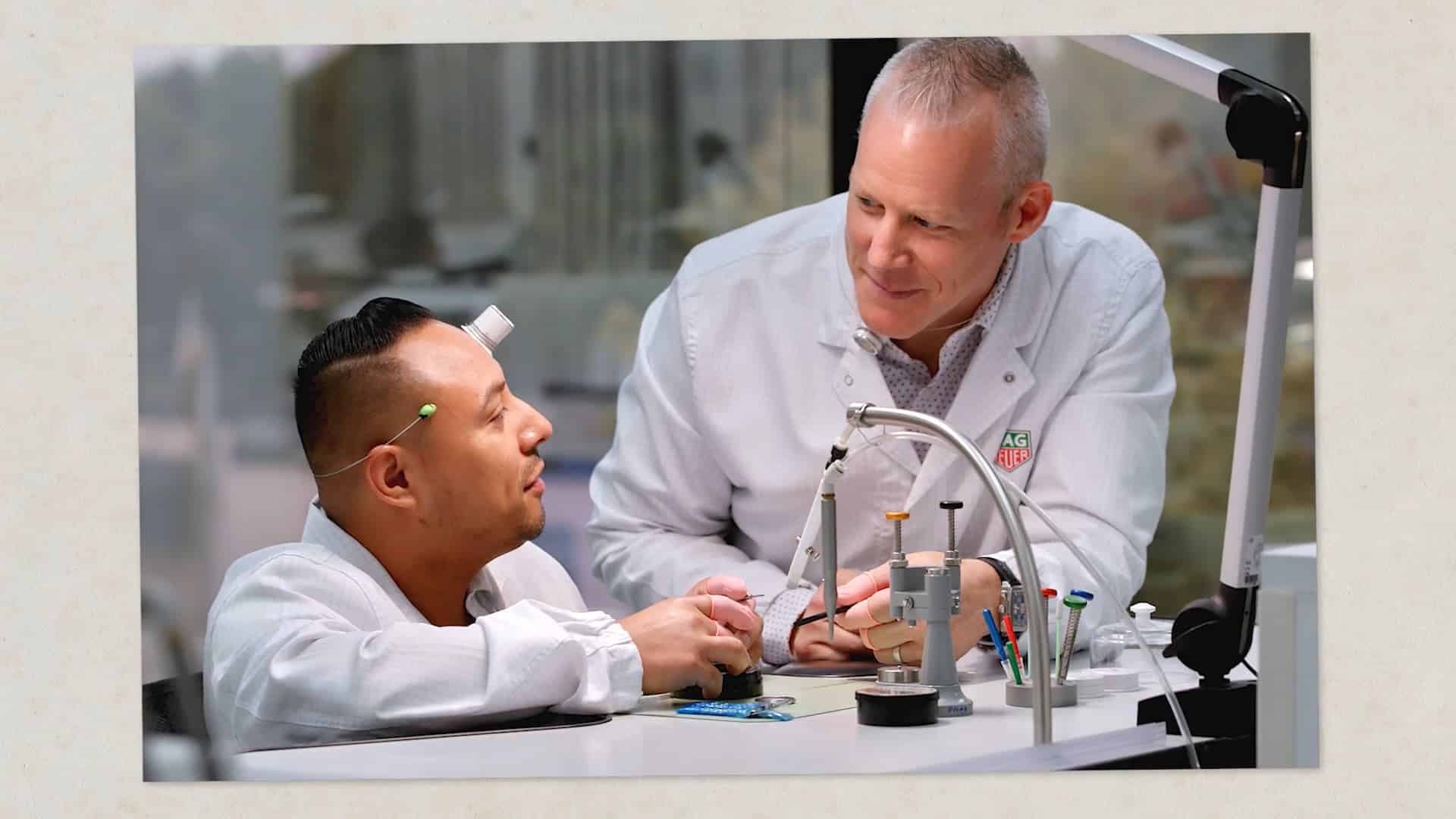
Motion craft should feel as intentional as cinematography. The example below stands for the pacing and finish audiences associate with professional brand storytelling when animation and picture share one standard.
Briefing Motion Teams for Better First Passes
Provide brand guidelines, must-include claims, prohibited visuals, product reference accuracy needs, VO script status, and examples of motion you respect. Say what must be literal versus metaphorical. If engineers care about dimensional truth, say so before stylized interpretation begins.
Consolidate notes through one owner. Animation revisions are not free—character changes, lighting resets, and simulation tweaks can cascade. Approve style and animatic firmly so build time is spent refining, not reinventing.
For hybrid shoots, share plate plans and camera data early so VFX integration is designed, not improvised in panic.
Budget Drivers in Animation and VFX
Cost climbs with photoreal expectations, complex characters, long runtimes, physics simulations, large environment builds, and many revision cycles. A clean 2D explainer with limited scenes can be efficient; a photoreal 3D product film with configurator-level accuracy will not be. Invisible VFX can also be substantial when plates need extensive tracking and comp.
Ask for scopes that separate concept/design, asset build, animation, lighting/comp, and versioning. That transparency helps you cut complexity intentionally—fewer scenes, simpler cameras, stylized instead of photoreal—when budget is fixed. Category norms vary; review context on our industries pages.
If live units and motion units are split across locations, coordinate through plans that match your service areas so plates and schedules align.
Common Mistakes in Animated Brand Work
Animating a brochure page-by-page without narrative tension. Overdecorating frames until hierarchy disappears. Changing the product model after lighting is done. Treating VFX as a fix for poorly planned shoots. Writing VO that describes everything the animation already shows—or nothing it needs.
Another mistake is isolating animation from sound design. Motion lands harder with intentional whooshes, UI ticks, and music edits—or with restrained silence when clarity needs space. Plan audio with the animatic, not after beauty renders.
Integrating Animation With Live Action
Hybrid films need shared rhythm and color intent. Decide whether graphics are diegetic (in-world screens, holograms, HUDs) or non-diegetic (editorial overlays). Match grain, lensing, and light direction when compositing into plates. Keep lower-thirds and diagrams readable on mobile cutdowns, not only on a desktop master.
Lock VO and core timing at animatic before heavy 3D.
Shoot VFX plates with tracking markers and clean references when integration is planned.
Design type and logo safe areas for every aspect ratio in the deliverables list.
Reserve “invisible” cleanup VFX budget explicitly so it does not steal from story animation.
Integration is successful when viewers remember the message, not the seam between mediums.
Choosing a Motion and VFX Partner
Look for teams that can discuss audience comprehension as clearly as polygon counts. Request style frames from comparable problems—not only show-stopping demos. Clarify revision rounds, software interchange, and who owns final color when live and CG meet. Confirm delivery includes editable project needs only if your internal team truly requires them; raw project files are a separate scope.
Grey Sky Films connects motion craft to production and editorial so explainers and VFX do not feel like bolted-on vendors. Explore more at Grey Sky Films.
To scope 2D, 3D, or VFX for a campaign or standalone explainer, request a quote with runtime, look references, accuracy requirements, and whether live plates are involved.
Maintaining Motion Systems Over Time
Brand animation ages through guideline changes, product updates, and platform aspect-ratio shifts. Build component libraries—characters, icons, transitions, type treatments—so future episodes do not restart look development from zero. Document color values, grid systems, and naming conventions in the project archive.
Plan refresh paths for product geometry and UI accuracy. A beautiful explainer that shows last year’s interface becomes a liability. Schedule periodic audits the same way you would for corporate live-action films. When campaigns recur quarterly, design a motion kit that can absorb new chapters without redesigning the universe each time.
Also decide what is campaign-specific versus evergreen. Spectacular one-off VFX may not belong in the reusable kit; modular diagram language probably should. That distinction protects budget and brand coherence across years.
When product teams ship frequent UI updates, consider a chaptered explainer architecture: a stable brand open and close with replaceable middle modules. That design costs a little more up front and saves repeated full rebuilds. Motion systems are a content operations decision as much as an art direction decision.
Sound, VO, and Motion Working as One
Animation without sound strategy is half-finished. Kinetic type needs rhythm; UI sequences need click and confirmation cues that feel intentional rather than stocky; 3D cameras need whooshes only when they earn them. Work VO early enough that visuals are built to speech, not patched around a late narration dump. If bilingual versions are planned, design composition with alternate line lengths in mind so type and timing can flex.
For hybrid live-action films, decide whether music energy belongs to the documentary half, the graphic half, or both with a shared motif. Abrupt sonic gear shifts make medium changes feel like vendor seams. A unified mix plan—shared with the sound designer—keeps 2D, 3D, and photographed scenes in one emotional register even when their visual languages differ.
Technical delivery should include versioned masters and, when useful, clean textless backgrounds for future localization. Motion assets are expensive to reopen; build for reuse the way you would for a live-action hero film that must spawn cutdowns. That operational mindset is what turns a single explainer into a durable communication system.
Frequently Asked Questions
Should we choose 2D or 3D for an explainer?
Choose 2D when clarity, speed, and graphic hierarchy matter most. Choose 3D when spatial relationships, product form, or realistic materials are central. Hybrids are common—2D diagrams with selective 3D product moments.
How long does an animated explainer take?
Simple 2D pieces can move in several weeks with fast approvals. Complex 3D or character work often needs longer. Animatic approval is the schedule hinge—protect it.
Can animation replace a product shoot?
Sometimes for early visualization or inaccessible processes. For trust and tactile truth, live product photography/film still matters. Many brands use both at different funnel stages.
What do you need from our product team?
Accurate references: CAD or high-quality models when available, UI flows, claim lists, and engineering contacts for review milestones on technical accuracy.
Is photoreal always better?
No. Photoreal raises cost and scrutiny. Stylized work can communicate faster and age more gracefully when realism is not required.
How do revisions work?
Healthy scopes define milestone approvals—style, animatic, then limited build notes. Late story changes after modeling and lighting are the expensive kind.
Can VFX fix a messy shoot?
Sometimes for cleanup; not reliably for missing coverage or broken performances. Plan plates intentionally when integration matters.
Conclusion
2D animation, 3D animation, and VFX earn their place when they make meaning clearer or integrate seamlessly with live storytelling. The strongest motion work starts with a communication problem, proceeds through style and animatic discipline, and finishes to the same standard as any brand film.
If you need animation or VFX that serves a real marketing job—not motion for its own sake—Grey Sky Films can help you scope it. Request a quote with references, runtime, and accuracy needs attached.
Need Help With Animation 2D, 3D & VFX?
Talk with Grey Sky Films about animation 2d, 3d & vfx for your next video project — from planning through delivery.
We combine strategic thinking with cinematic storytelling to create videos that not only look great and also drive real results, and here’s what makes us different.
25+ Years Experience
Award-winning expertise you can trust
National & International
Serving clients across NJ, NY, PA, CT and beyond
Full-Service Production
End-to-end solutions from concept to delivery
Multi-Industry Specialists
Experts in Healthcare, Pharma, Industrial, Non-Profit and more
Real Clients, Real Reviews
Don’t just take our word for it! Hear directly from the brands and businesses we’ve partnered with to bring their stories to life.
"I’ve worked with GSF on several projects over several years and I knew they would knock it out of the park with the production. Mark Serao, as a director, is very observant, very collaborative with no ego, and he’s great at problem-solving. It was a fun [project] to do!”
Rob SchnappSenior Vice President, Executive Creative Director, Coyne PR
“We were going through a rebrand process and we needed a partner that was agile and could jump right in and satisfy our video needs. We needed to trust that we took on a partnership to deliver work that was of the same quality that we deliver to our clients, and the Grey Sky team did just this, they exceeded our expectations.”
Jess SpataroBrand Director/Strategist Lead, Studio Eagle
“Wow! I love working with Grey Sky. They put a tremendous amount of effort into every project. 1) They care about the quality of the work. 2) They care about you as a client. 3) They want to ensure that you get everything you need and more. You can tell that they care about the relationship and will work hard to deliver high quality, ahead of schedule and at a reasonable price. It’s rare to find a partner who delivers so much on every level.”
Alon FederDirector of Marketing, Leafguard
“We had an incredible experience working with the team at Grey Sky Films. Their creative ideas and direction helped us translate our message to a series of television commercials which have been well-received by our target audience.”
Rhonda MarazitiChief Marketing Officer, Withum+
"The team at Grey Sky is fantastic to work with-professional, responsive, and attentive to our needs. They provide excellent creative direction and make it easy to collaborate, even though none of our film participants are professional actors. The final product is always outstanding."
Phillippe BeekmanSenior Vice President, Hunterdon Health Foundation
"I’ve worked with Grey Sky Films for over a decade. They were the first production company I hired after interviewing countless others, and that decision set the tone for everything that followed. Mark and Dana were deeply invested in the project from the start. They consistently went above and beyond to create a professional, comfortable on-set environment, while also pushing the creative to ensure the final product was something we were all truly proud of. Over the years, I continued collaborating with the Grey Sky team as both an actor and producer, building a relationship rooted in trust, creativity, and shared vision. I’m especially proud to say that our most recent project together brought award-winning actors to set and attracted the attention of producers who went on to pitch the pilot to major networks, including The WB, Freeform (now part of The Walt Disney Company), and Paramount."
Stacey Van Gorder LeungProducer, Founder SV Acting Studio
Our Simple Process
From the first call to a final cut, our streamlined method ensures clarity, creativity, and results without the stress or guesswork.
We start by understanding your goals, audience, and vision through in-depth consultation
Plan
Develop a comprehensive strategy including scripting, storyboarding, and production scheduling
Action
Execute the production and deliver a polished final product that achieves your objectives
Our Clients
Trusted by leading brands across all industries
Ready To Start Your Project?
From initial concept to final delivery, we handle every step of the video production process, crafting powerful stories that captivate your audience, amplify your brand, and drive real results.