Sound Design and Audio Mastering for Brand Video That Needs to Be Heard
Viewers forgive a slightly imperfect frame more readily than they forgive muddy dialogue or a mix that fights the message. Sound design and audio mastering are how professional video earns trust in headphones, laptop speakers, conference rooms, and paid placements with strict loudness rules. They are not “adding music at the end.” They are editorial craft for the ear.
Grey Sky Films includes sound design and mastering within post-production alongside our wider production services, so picture and audio decisions stay aligned. Marketing teams use this when interview films must feel intimate, commercials must hit platform specs, and event or sales videos must remain intelligible when played on imperfect systems.
Below is a practical guide to what sound design covers, when mastering matters, how a mix typically progresses, what affects scope, and how to brief audio work without inventing problems in the final week.
Key Takeaways
Clear dialogue is the foundation; music and effects should support story, not compete with speech.
Sound design includes editorial choices—when silence, ambience, or emphasis serves the cut—not only plug-in polish.
Mastering and delivery specs (loudness, peak limits, channel layouts) protect playback across devices and platforms.
Fix production audio issues early when possible; post can improve, but it cannot invent clean performances from ruined tracks.
Budget tracks stems complexity, ADR needs, music edits, and version count more than runtime alone.
Reference finished work in our case studies when aligning on tone and energy.
What Sound Design and Mastering Include
Sound design for brand and corporate video typically covers dialogue editing, noise reduction where appropriate, ambience continuity, tasteful effects, music editing and rides, and a balanced stereo (or required multichannel) mix. Mastering then prepares that mix for delivery: consistent loudness, controlled peaks, and format-appropriate finals for web, social, broadcast, or event playback.
These stages sit after picture is largely stable. Mixing against a moving cut wastes time; major picture changes after a detailed mix often require remixing. That is why post calendars protect picture lock before deep audio work—especially on spots with dense music edits or layered design.
Audio finishing often pairs with broader content packages, where hero mixes and shorter cutdowns share stems so energy and dialogue clarity stay consistent across lengths.
When Dedicated Audio Post Is Worth It
Invest in dedicated sound design and mastering when the piece is customer-facing, dialogue-forward, music-driven, or bound for paid media with compliance specs. Interview films, commercials, product launches, and leadership messages almost always benefit. Internal drafts can live with a simpler mix; public brand surfaces should not.
Dialogue-led stories: Testimonials and executive pieces need clarity without harsh processing.
Music-forward spots: Edits must breathe with picture cuts and leave room for VO or claims.
Multi-environment playback: The same film may play in a booth, on LinkedIn, and on a laptop—mix for that reality.
Platform loudness rules: Trafficking partners often reject files that miss targets.
If production sound was compromised, audio post can recover a surprising amount—but prevention on set is cheaper. Plan mics, quiet locations, and room tone as part of production, not as a hope for later.
A Practical Audio Post Workflow
Healthy audio post follows picture rather than racing it. A simple sequence keeps creative and technical decisions in the right order.
Phase
Focus
Risk if rushed
Dialogue edit
Clean speech, breaths, overlaps, consistency
Harsh noise reduction and fatigue
Design & music
Ambience, accents, music edits and rides
Music masking weak structure or VO
Mix
Balance, depth, transitions, intentional dynamics
Flat or chaotic listening experience
Master & QC
Loudness, peaks, mono check, device checks
Rejected specs or unintelligible playback
Versions
Cutdown stems, music beds, VO variants
Inconsistent energy across placements
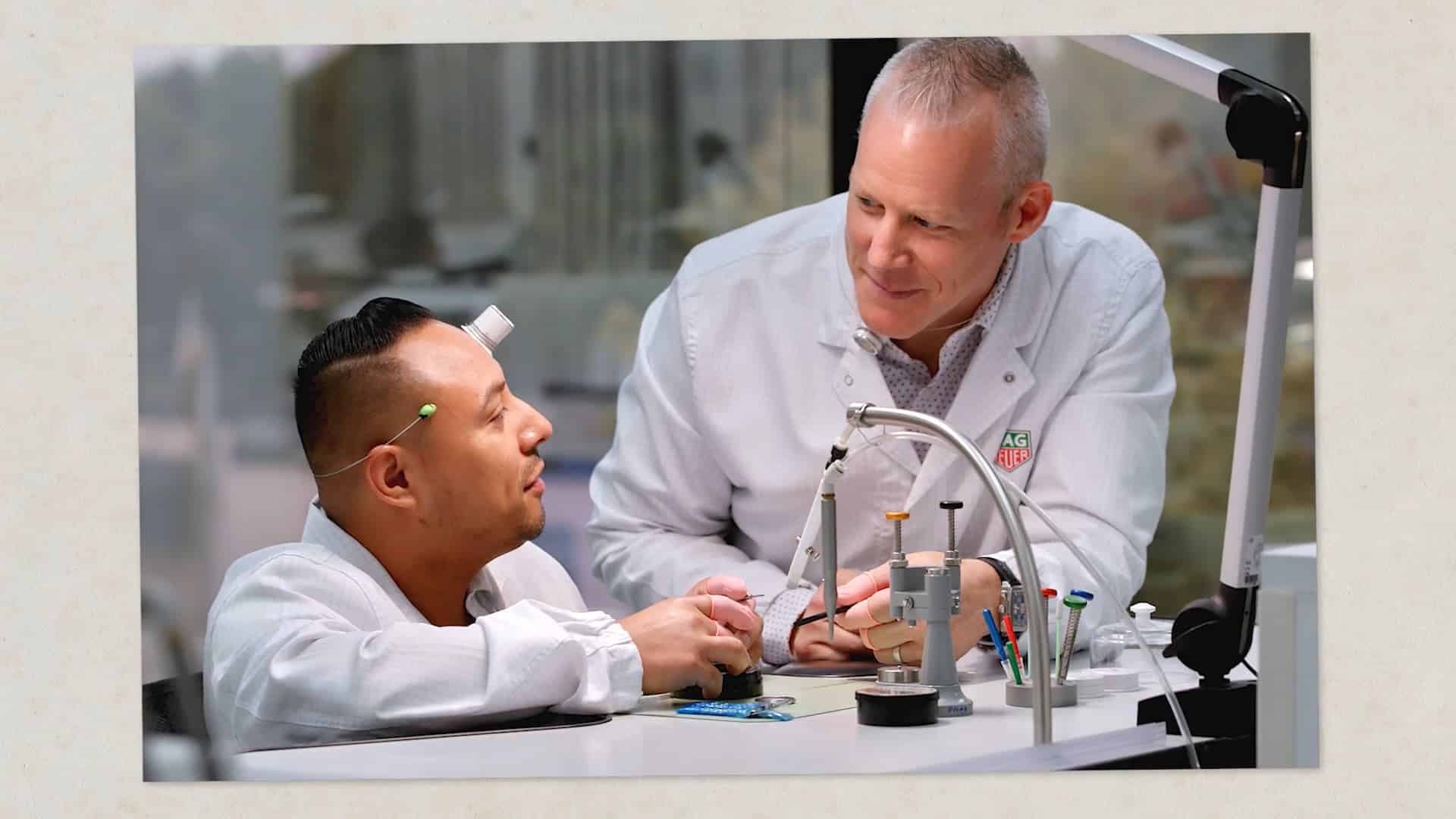
Finished audio is part of what makes professional work feel intentional. The example below illustrates how picture and sound together create presence when neither is treated as an afterthought.
Best Practices for Brand and B2B Mixes
Prioritize intelligibility. If a viewer cannot understand the first claim, the rest of the craft is decoration. Keep music supportive under dialogue; automate rides rather than crushing everything with heavy compression. Use silence and ambience as tools—constant beds can flatten emotion as quickly as silence used carelessly can feel empty.
Check mixes on multiple systems: studio monitors, earbuds, phone speakers, and a laptop. Brand buyers often watch on the same imperfect devices your audience uses. Caption alignment still matters for accessibility and sound-off environments, even when the mix is excellent.
Align early on licensed music energy versus custom sound design. Some films need almost no score; others are carried by rhythm. The wrong choice fights the narrative no matter how well it is mastered.
Budget and Scope Factors for Audio
Audio budgets expand with problem dialogue, ADR, dense design, long-form runtimes, multilingual VO, and many delivery versions. A clean single-interview piece with simple music can be efficient; a commercial with intricate music edits and layered design cannot be priced like a dialogue cleanup.
Separate line items for dialogue edit, design/mix, mastering, and versioning help you see trade-offs. If schedule is tight, protect dialogue quality first. Category expectations differ—review context on our industries pages when comparing tone references.
Geography and production logistics still matter for how audio was captured. Teams shooting across the Northeast can coordinate capture standards through our service areas so post inherits cleaner tracks.
Common Audio Mistakes in Marketing Video
Temp music loved so much that picture is cut to a track you cannot license. Over-processing dialogue until it sounds artificial. Ignoring mono compatibility so elements disappear on phone speakers. Delivering a hot mix that fails platform loudness. Leaving room tone gaps that make edits feel chopped.
Another mistake is approving picture while listening on poor speakers, then discovering problems only at mastering. Build at least one serious listening pass into rough and fine cut reviews so structure and performance notes are not confused with mix notes later.
How to Choose a Sound Partner for Brand Work
Ask how the team balances dialogue against music, how they handle problematic production sound, and how they QC for web and paid specs. Request before/after examples on dialogue cleanup—not only flashy design reels. Confirm delivery includes required loudness documentation when your media partners need it.
Grey Sky Films integrates audio finishing with editorial so notes stay coherent. Visit Grey Sky Films for an overview of how production and post connect, then share your cut stage and delivery list when you are ready to scope.
To estimate sound design and mastering for a film or campaign package, request a quote with runtime, music plans, known audio issues, and platform targets.
Production Habits That Make Post Audio Easier
Great mixes start on set. Use appropriate microphones, monitor with headphones, record room tone, and protect quiet during interviews. Separate scratch VO from final VO plans. If you anticipate heavy music, shoot with editorial flexibility so cuts are not locked to an unlicensed temp track’s every hit.
Capture clean lav and boom when possible; options in post beat miracles.
Note problematic noise sources in logs so editors and mixers can plan.
Avoid blasting reference speakers on set that bleed into tracks.
Record intentional silence for transitions, not only continuous chatter beds.
These habits are inexpensive compared with ADR days or aggressive restoration that still never sounds fully natural. Treat production sound as part of brand quality, not a technical footnote.
If you are capturing in active workplaces—factories, hospitals, restaurants, open offices—plan sound strategy in the tech scout, not on the call sheet morning. Identify quiet windows, secondary interview spaces, and which operational sounds are desirable texture versus destructive noise. Sometimes the right creative choice is to embrace authentic ambience at a controlled level; sometimes it is to move the interview. Post can polish either choice. It cannot invent a quiet room that never existed.
Delivery Specs and QC Checklist
Mastering is where creative mix meets distribution reality. Confirm loudness targets, true peak limits, sample rate, and whether you need stereo stems, M&E, or music-bed versions for future VO. Social platforms, CTV partners, and event AV teams often have different preferences—build a matrix rather than assuming one export fits all.
QC should include full playback, spot-checks at dialogue-critical moments, a mono fold-down listen, and a phone-speaker pass. Verify sync on finals after any last picture tweak. Archive session files and licensed music documents with the picture project so future cutdowns inherit legal and technical clarity.
When multiple vendors touch post, agree who owns final loudness sign-off. Ambiguity here creates last-day traffic failures that marketing cannot fix with another creative note.
For campaigns with many cutdowns, create a stem strategy early: dialogue, music, effects, and optionally VO-only beds. Stems let you rebuild short versions without starting from a bounced stereo that hides every decision. They also protect future localization if you add languages later. Mastering then becomes a family of related deliveries rather than a one-off bounce that nobody can reopen cleanly.
Finally, treat captions as part of audio success. Even a strong mix meets viewers who watch muted. Align caption timing with the locked picture and confirm speaker identification when interviews overlap. Sound design and accessibility are not competing priorities; they are two ways of making meaning available.
Music, Silence, and Emotional Pacing
Music choices shape how seriously viewers take a claim. A triumphant bed under a modest B2B offer can feel mismatched; a sparse bed under a human story can feel more honest. Sound design includes knowing when not to fill space. Silence after a key line often lands harder than another riser. Ambience continuity between interview and B-roll keeps the edit from feeling like a slideshow of disconnected clips.
Work with editorial on where emotion should crest and where information must be crystal clear. If a legal claim or pricing detail appears, pull music down early enough that the ear is ready. If a brand moment is meant to breathe, resist the urge to stack effects. The mix should feel guided, not busy. That restraint is a mark of professional audio finishing for marketing films that must persuade rather than merely impress.
Frequently Asked Questions
What is the difference between sound design and mastering?
Sound design and mixing shape the creative listening experience—dialogue, music, effects, and balance. Mastering prepares that mix for consistent, spec-compliant delivery across targets. Many brand projects include both under one audio finish plan.
Can you fix noisy interview audio?
Often, within limits. Careful dialogue editing and restoration can improve many tracks. Severely clipped, distorted, or covered performances may need ADR or alternate selects. Honesty about limits beats promising a miracle.
Do we need custom sound design for every corporate film?
Not always. Some pieces need restrained dialogue-first mixes with light music. Others benefit from designed transitions and accents. Match design intensity to story and brand tone.
When should music be locked?
Prefer licensed or approved tracks before deep music editing. Cutting picture tightly to an uncleared temp track is a common source of expensive rework.
What loudness target should we use?
It depends on destination. Web, social, broadcast, and certain CTV partners publish different expectations. Share your trafficking list so mastering matches real outlets.
Should we review mixes on studio speakers only?
Studio listening is essential, but also check consumer devices. Your audience rarely hears the film in an ideal room.
How do cutdowns affect audio scope?
Short versions need intentional music edits and dialogue prioritization. Plan stems and versioning up front so cutdowns do not sound like truncated accidents.
Conclusion
Sound design and audio mastering turn finished picture into finished communication. Clear dialogue, purposeful music, and delivery that survives real devices are not luxuries—they are how brand video respects the viewer’s attention.
If your next film needs audio that matches the ambition of the picture, Grey Sky Films can help. Request a quote with cut status, music plans, and delivery environments.
Need Help With Sound Design & Audio Mastering?
Talk with Grey Sky Films about sound design & audio mastering for your next video project — from planning through delivery.
We combine strategic thinking with cinematic storytelling to create videos that not only look great and also drive real results, and here’s what makes us different.
25+ Years Experience
Award-winning expertise you can trust
National & International
Serving clients across NJ, NY, PA, CT and beyond
Full-Service Production
End-to-end solutions from concept to delivery
Multi-Industry Specialists
Experts in Healthcare, Pharma, Industrial, Non-Profit and more
Real Clients, Real Reviews
Don’t just take our word for it! Hear directly from the brands and businesses we’ve partnered with to bring their stories to life.
"I’ve worked with GSF on several projects over several years and I knew they would knock it out of the park with the production. Mark Serao, as a director, is very observant, very collaborative with no ego, and he’s great at problem-solving. It was a fun [project] to do!”
Rob SchnappSenior Vice President, Executive Creative Director, Coyne PR
“We were going through a rebrand process and we needed a partner that was agile and could jump right in and satisfy our video needs. We needed to trust that we took on a partnership to deliver work that was of the same quality that we deliver to our clients, and the Grey Sky team did just this, they exceeded our expectations.”
Jess SpataroBrand Director/Strategist Lead, Studio Eagle
“Wow! I love working with Grey Sky. They put a tremendous amount of effort into every project. 1) They care about the quality of the work. 2) They care about you as a client. 3) They want to ensure that you get everything you need and more. You can tell that they care about the relationship and will work hard to deliver high quality, ahead of schedule and at a reasonable price. It’s rare to find a partner who delivers so much on every level.”
Alon FederDirector of Marketing, Leafguard
“We had an incredible experience working with the team at Grey Sky Films. Their creative ideas and direction helped us translate our message to a series of television commercials which have been well-received by our target audience.”
Rhonda MarazitiChief Marketing Officer, Withum+
"The team at Grey Sky is fantastic to work with-professional, responsive, and attentive to our needs. They provide excellent creative direction and make it easy to collaborate, even though none of our film participants are professional actors. The final product is always outstanding."
Phillippe BeekmanSenior Vice President, Hunterdon Health Foundation
"I’ve worked with Grey Sky Films for over a decade. They were the first production company I hired after interviewing countless others, and that decision set the tone for everything that followed. Mark and Dana were deeply invested in the project from the start. They consistently went above and beyond to create a professional, comfortable on-set environment, while also pushing the creative to ensure the final product was something we were all truly proud of. Over the years, I continued collaborating with the Grey Sky team as both an actor and producer, building a relationship rooted in trust, creativity, and shared vision. I’m especially proud to say that our most recent project together brought award-winning actors to set and attracted the attention of producers who went on to pitch the pilot to major networks, including The WB, Freeform (now part of The Walt Disney Company), and Paramount."
Stacey Van Gorder LeungProducer, Founder SV Acting Studio
Our Simple Process
From the first call to a final cut, our streamlined method ensures clarity, creativity, and results without the stress or guesswork.
We start by understanding your goals, audience, and vision through in-depth consultation
Plan
Develop a comprehensive strategy including scripting, storyboarding, and production scheduling
Action
Execute the production and deliver a polished final product that achieves your objectives
Our Clients
Trusted by leading brands across all industries
Ready To Start Your Project?
From initial concept to final delivery, we handle every step of the video production process, crafting powerful stories that captivate your audience, amplify your brand, and drive real results.