Location Scouting, Set Design & Construction for Productions That Need the Right Frame
Where you shoot is not a backdrop—it is part of the argument. A precise location or purpose-built set tells viewers what kind of company you are before anyone speaks. Location scouting, set design, and construction is the pre-production service that finds, secures, and prepares those environments so lighting, sound, and logistics can succeed on schedule.
Grey Sky Films manages this work as part of disciplined pre-production within our production services. That means scouting against the script and boards, evaluating power, sound, access, and neighbor risk, coordinating permits and location agreements, and—when practical locations cannot deliver—designing and building controlled sets. Marketing leaders often underestimate this stage until a “perfect” space fails a tech scout for noise, ceiling height, or load-in.
Below is a practical guide to what this service includes, when to scout versus build, how the process runs, what affects budget, and how to avoid location decisions that look great in photos and fail on shoot day.
Key Takeaways
Locations must serve story, lighting, sound, access, and legal clearance—not only aesthetic preference.
Set design and construction are right when control, brand precision, or confidentiality beats real-world compromise.
Permits, insurance, and location fees are real budget lines; ignoring them creates last-minute crisis spend.
Strong pre-pro deliverables include options shortlists, scout notes, floor plans, and art/build schedules.
See environmental storytelling examples in our case studies when calibrating how “real” versus designed your world should feel.
What This Pre-Production Service Covers
Location scouting identifies candidate spaces that match the creative brief and production constraints. It includes photo/video documentation, notes on sun path, sound, power, hold areas, restrooms, client viewing, and load-in paths. Set design defines the visual world—palette, furniture, graphics, product staging, and any builds. Construction executes scenic elements: walls, custom pieces, soft goods, and strike plans.
The service also covers relationships and paperwork: location contracts, certificates of insurance, permits, neighborhood notifications when required, and contingency holds. For brands assembling multi-asset libraries, we often scout for modular spaces that support several scenes in one day, which pairs well with efficient content package production.
When to Scout Practical Locations vs Build a Set
Choose practical locations when authenticity, existing architecture, or real operations are part of the proof. Choose builds when you need visual control, secrecy, repeatability, or a space that does not exist in the real world on your timeline.
Practical wins: factories, clinics, kitchens, campuses, and stores where real work reads as credibility.
Hybrid common: real location plus art direction, dressing, and temporary scenic fixes.
Studio control: soundstages when weather, noise, or schedule risk would break a location day.
Budget alone should not decide. A cheap location with bad sound can cost more in lost setups than a modest studio day with clean audio.
How Grey Sky Films Scouts and Prepares Spaces
We scout from the boards and script, not from a Pinterest folder. Producers and, when needed, cinematographers and production designers evaluate candidates against creative and operational criteria. Shortlists go to stakeholders with clear trade-offs. Approved locations get tech scouts, paperwork, and art plans. Builds get drawings, materials timelines, and strike logistics.
Step
What happens
Risk if skipped
Creative brief for space
Mood, proof needs, must-have features
Pretty spaces that do not serve story
Scout & shortlist
Candidates with photos and constraint notes
Late panic booking
Tech scout
Power, sound, light, access, safety
Unshootable “approved” location
Paperwork & permits
Agreements, COI, municipal requirements
Shut-downs or fines
Art / build / dress
Design, construction, set dressing
Generic rooms that fight the brand
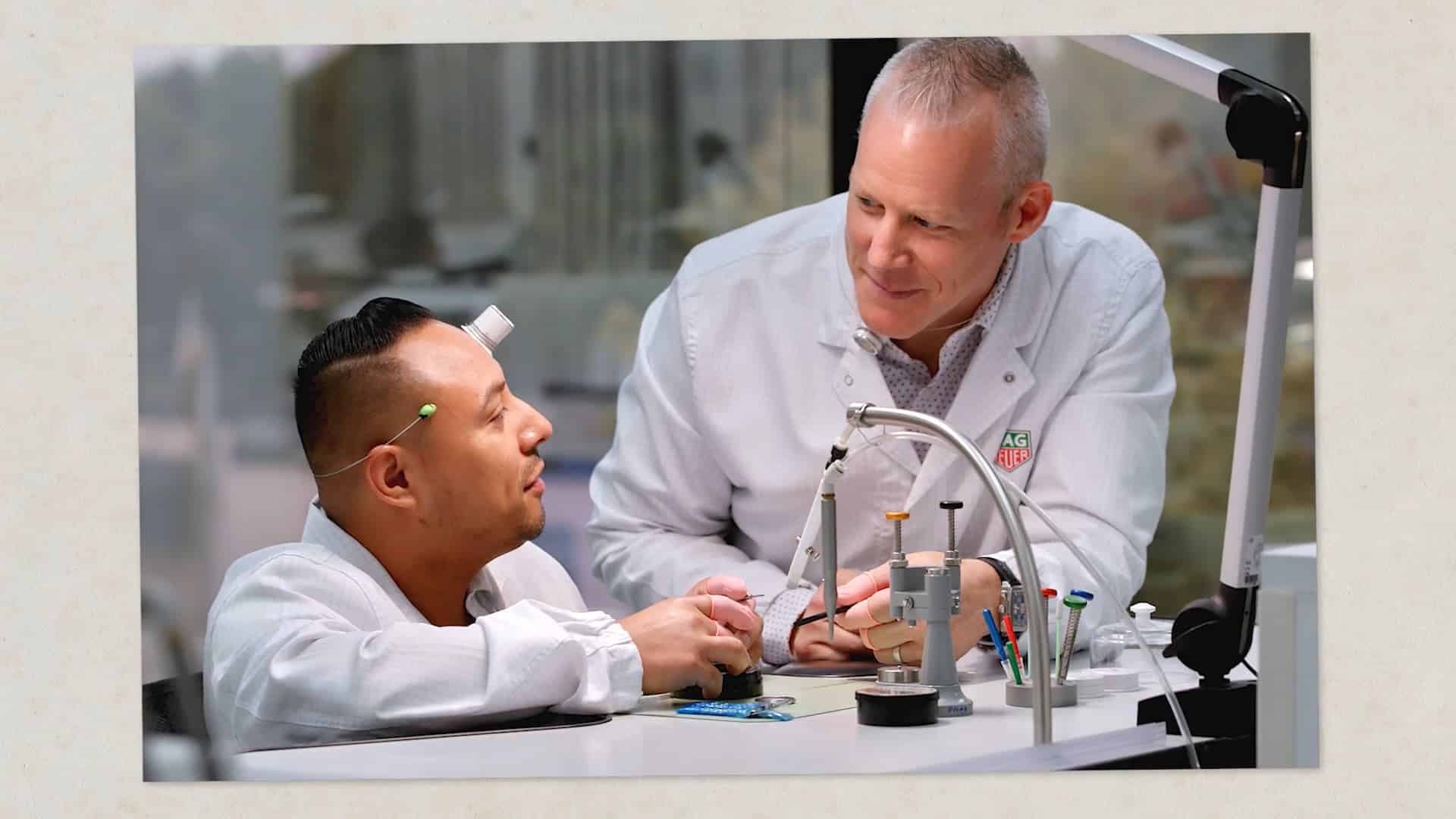
Finished craft depends on environments that support lighting and composition. The reference below shows the level of visual control stakeholders often expect when discussing “premium” location or set quality.
We present location options with honest compromise notes: what you gain in authenticity, what you risk in sound, what you spend in moves. Stakeholders make better choices when trade-offs are visible. A location that “almost works” is often more expensive than one that clearly works—because almost-working spaces invite overtime, rescue gear, and disappointed creatives.
Deliverables from Location and Set Pre-Production
Expect scout decks or folders, recommendation memos, tech scout notes, location agreements status, permit checklists, floor plans or simple diagrams, art direction references, build schedules, and dressing lists. For construction, include materials lead times and strike plans so the space can be returned cleanly.
Clients should also receive clear hold/release dates and contingency options if a primary location falls through.
Budget Factors Decision-Makers Should Plan For
Location fees, permits, police or fire details when required, after-hours premiums, parking, security, art department labor, materials, transport, and strike all affect cost. Travel and company moves between multiple locations multiply expenses quickly. Builds trade location fees for shop time and materials—but can save shoot days through control.
Regional knowledge matters for permits and crew logistics. Review Grey Sky Films service areas and category contexts on our industries pages when planning specialized environments (healthcare, industrial, food, etc.).
Ask for estimates that separate scout labor, location/permit fees, art and construction, and contingency. Hidden lines are how “simple location days” become budget events. We would rather surface the true cost of a controlled world early than apologize for overtime caused by an under-scoped space.
Mistakes That Break Location and Set Plans
Choosing from Instagram aesthetics without a tech scout. Assuming a client office is “free” without measuring disruption or sound. Ignoring HVAC and street noise. Underestimating load-in for grip and electric. Building sets without a strike plan. Waiting on permits until the week of the shoot.
Another mistake is separating set design from brand guidelines until the day before. Grey Sky Films brings art direction into pre-production early so color, props, and signage reinforce identity instead of fighting it.
Finally, do not treat hold fees and cancellation terms as fine print. Locations fall through. Contracts that clarify notice windows and alternatives keep the production moving when a primary space disappears two weeks out.
How We Balance Authenticity and Control
We ask what the audience must believe. If proof requires real operations, we protect authenticity and manage the mess of real spaces. If the brand promise requires a precise world, we design for control. Most projects land in the hybrid middle—real places elevated with intentional dressing and disciplined lighting plans.
To scope scouting, design, or builds for your next production, request a quote with script/boards status, preferred markets, and any must-include environments.
Permits, Insurance, and Neighbor Reality
Beautiful spaces still need legal permission. Municipal rules vary for public property, street parking, generator use, and drone work. Private locations need agreements that cover access hours, exclusivity, damages, and cancellation. Certificates of insurance must match venue requirements. These details are unglamorous and non-optional.
Neighbors and internal stakeholders matter too. A retail shoot can alienate customers; a hospital shoot can disrupt care; an office shoot can destroy a workday. Good location management includes communication plans, holding areas, and schedules that respect the host environment. That respect is often what gets you invited back for the sequel film.
Confirm COI limits and additional insured requirements early.
Ask about blackout dates, union house rules, and preferred vendors.
Plan quiet hours and generator placement before they become conflicts.
Document existing conditions with photos to protect both parties at wrap.
If your timeline cannot absorb permit lead time, choose locations with simpler requirements or studio control—and make that decision in pre-production, not at 6 a.m. on shoot day.
International or multi-city shoots add another layer: travel days, local crew rules, and venue cultures that differ from your home market. Even within the Northeast, permit norms and load-in realities change by city. Grey Sky Films plans location paperwork on the same calendar as creative approvals so “we love this loft” does not collide with “we cannot legally shoot there next Thursday.”
Art Direction That Serves the Edit
Set design is not interior decorating for its own sake. Every object in frame either supports the story or creates cleanup work for the editor and colorist. Production designers and art directors work from boards to ensure surfaces, colors, and signage survive close-ups, wide establishing shots, and vertical crops.
Product-heavy films need hero surfaces and contingency products. Food and beverage need freshness plans. Tech and industrial films need safe zones and visual simplicity so machinery reads. Interview sets need depth without visual noise behind the subject’s head. These are design problems solved before call time.
Construction schedules should include drying times, paint cures, and contingency for damaged pieces. A wall that looks done in a photo but is still tacky under lights is a delay. Build timelines belong on the same calendar as cast and location holds.
Art direction also protects brand continuity across cutdowns. If social crops remove the carefully dressed left side of a frame, the board and set must anticipate that. Grey Sky Films designs environments for the deliverables matrix—not only for the hero wide that looks good in a still. That habit keeps location and set investment useful across the full content system, not just the longest cut.
When client spaces must remain operational during prep, we stage builds and dressing in phases: overnight installs, quiet daytime touch-ups, and rapid strike plans. Production design that ignores host operations creates political damage that outlasts the film. Pre-production is where those constraints should be negotiated, budgeted, and written into the call sheet logic.
Frequently Asked Questions
How many locations should we scout?
Enough to present real options—often three to five serious candidates for a key environment—without turning scouting into endless tourism. Quality beats quantity.
When do we need a tech scout?
For any location that is not a familiar studio. Key creatives and department leads should walk the space after creative shortlist approval.
Can we shoot in our offices to save money?
Sometimes. Offices can work if sound, power, and aesthetics serve the film. They fail when disruption costs and visual compromise exceed a rented set.
How long do builds take?
Simple dressing can happen in a day. Custom scenic builds may need days to weeks depending on complexity and shop capacity. Lead times should sit on the production calendar early.
Who handles permits?
Typically the production team or location manager coordinates; clients may need to supply business details or venue contacts. Responsibilities should be explicit in the estimate.
What about weather contingencies?
Plan cover sets, weather holds, or indoor alternatives for exterior-dependent days. Weather is a budgeting and scheduling topic, not a hope.
How do we keep locations on brand?
Share guidelines early, approve art references, and remove off-brand signage/props in dressing. Brand is a pre-pro checklist item.
Conclusion
Location scouting, set design, and construction decide whether your story has a credible world to live in. Done rigorously, they protect schedule, sound, safety, and brand. Done casually, they turn shoot days into improvisation under fluorescent lights.
Grey Sky Films can scout, design, and prepare environments that match your boards and constraints. Request a quote to plan locations and sets for your next production.
Need Help With Location Scouting, Set Design & Construction?
Talk with Grey Sky Films about location scouting, set design & construction for your next video project — from planning through delivery.
We combine strategic thinking with cinematic storytelling to create videos that not only look great and also drive real results, and here’s what makes us different.
25+ Years Experience
Award-winning expertise you can trust
National & International
Serving clients across NJ, NY, PA, CT and beyond
Full-Service Production
End-to-end solutions from concept to delivery
Multi-Industry Specialists
Experts in Healthcare, Pharma, Industrial, Non-Profit and more
Real Clients, Real Reviews
Don’t just take our word for it! Hear directly from the brands and businesses we’ve partnered with to bring their stories to life.
"I’ve worked with GSF on several projects over several years and I knew they would knock it out of the park with the production. Mark Serao, as a director, is very observant, very collaborative with no ego, and he’s great at problem-solving. It was a fun [project] to do!”
Rob SchnappSenior Vice President, Executive Creative Director, Coyne PR
“We were going through a rebrand process and we needed a partner that was agile and could jump right in and satisfy our video needs. We needed to trust that we took on a partnership to deliver work that was of the same quality that we deliver to our clients, and the Grey Sky team did just this, they exceeded our expectations.”
Jess SpataroBrand Director/Strategist Lead, Studio Eagle
“Wow! I love working with Grey Sky. They put a tremendous amount of effort into every project. 1) They care about the quality of the work. 2) They care about you as a client. 3) They want to ensure that you get everything you need and more. You can tell that they care about the relationship and will work hard to deliver high quality, ahead of schedule and at a reasonable price. It’s rare to find a partner who delivers so much on every level.”
Alon FederDirector of Marketing, Leafguard
“We had an incredible experience working with the team at Grey Sky Films. Their creative ideas and direction helped us translate our message to a series of television commercials which have been well-received by our target audience.”
Rhonda MarazitiChief Marketing Officer, Withum+
"The team at Grey Sky is fantastic to work with-professional, responsive, and attentive to our needs. They provide excellent creative direction and make it easy to collaborate, even though none of our film participants are professional actors. The final product is always outstanding."
Phillippe BeekmanSenior Vice President, Hunterdon Health Foundation
"I’ve worked with Grey Sky Films for over a decade. They were the first production company I hired after interviewing countless others, and that decision set the tone for everything that followed. Mark and Dana were deeply invested in the project from the start. They consistently went above and beyond to create a professional, comfortable on-set environment, while also pushing the creative to ensure the final product was something we were all truly proud of. Over the years, I continued collaborating with the Grey Sky team as both an actor and producer, building a relationship rooted in trust, creativity, and shared vision. I’m especially proud to say that our most recent project together brought award-winning actors to set and attracted the attention of producers who went on to pitch the pilot to major networks, including The WB, Freeform (now part of The Walt Disney Company), and Paramount."
Stacey Van Gorder LeungProducer, Founder SV Acting Studio
Our Simple Process
From the first call to a final cut, our streamlined method ensures clarity, creativity, and results without the stress or guesswork.
We start by understanding your goals, audience, and vision through in-depth consultation
Plan
Develop a comprehensive strategy including scripting, storyboarding, and production scheduling
Action
Execute the production and deliver a polished final product that achieves your objectives
Our Clients
Trusted by leading brands across all industries
Ready To Start Your Project?
From initial concept to final delivery, we handle every step of the video production process, crafting powerful stories that captivate your audience, amplify your brand, and drive real results.