Testimonial Video Production for Trust That Moves B2B Deals Forward
Testimonial video is proof with a pulse. In B2B buying groups, written quotes help—but seeing a peer describe a problem, a decision process, and a result creates a different level of confidence. Testimonial films and video case studies shorten trust-building for prospects who will never join your best reference call.
Grey Sky Films produces customer testimonial and success-story video for marketing and sales teams that need credible proof assets—not flattering montages. Through our production services, we handle customer coordination sensitivities, interview direction, and edits shaped for websites, proposals, and late-stage deal support. Brands serving national markets—and those rooted in the NJ, NY, PA, and CT business community—use these stories to make complex value tangible.
Modern B2B purchases rarely hinge on a single champion. Economic buyers, technical evaluators, and end users each need different reassurances. A well-planned testimonial library lets you meet those needs with peer voices instead of repeating the same vendor claims. That is why packaging multiple cuts from one customer conversation is not a luxury—it is how proof keeps pace with buying committees.
This guide covers when testimonials outperform other content, how to run customer shoots respectfully, what drives budget, how to structure stories for buyers, and mistakes that waste a rare customer yes. Use it to align marketing, sales, and customer success before you ask a client for their time on camera.
Key Takeaways
Strong testimonials follow a problem → decision → implementation → outcome arc buyers recognize.
Customer comfort and approvals determine schedule as much as production logistics.
Plan multiple cuts: long-form story, website embed, sales clip, and social proof bites.
Specifics beat superlatives; buyers trust concrete situations over vague praise.
Legal and brand approvals on both sides should be mapped before the shoot day.
Browse customer-story examples in our case studies when briefing tone and depth.
What Testimonial Video Production Includes
Testimonial video production typically includes customer recruitment support (or working from your nominated accounts), pre-interviews, question design, on-site or studio filming, optional B-roll of the customer’s environment or your solution in use, and editorial assembly into approved story cuts. Some projects become full video case studies with narrative VO; others stay interview-forward.
Unlike recruiting or brand films, the customer is the hero. Your brand appears as the enabler of a result the customer owns. That posture is what makes the asset persuasive to skeptical buyers.
Teams building ongoing proof libraries often schedule quarterly testimonial capture inside content packages, reducing the cost and chaos of one-off heroics every time sales asks for a new story.
When to Invest in Testimonial and Case Study Video
Invest when deals stall on trust, when your category is crowded with similar claims, when you enter new verticals, or when a flagship customer is willing to speak and their story maps to your ICP. Testimonials are less useful when the customer cannot discuss anything specific due to extreme confidentiality—unless you redesign the story around allowable details.
Website social proof: Embed near product, pricing, or industry pages.
Sales enablement: Attach role-relevant clips to late-stage cycles.
Campaigns: Use short proof ads to support demand gen.
Events: Play success stories that make booth conversations concrete.
A Production Process That Respects Customers
Customer video succeeds when project management is empathetic. Share questions in advance. Keep the shoot efficient. Offer wardrobe and location guidance without over-controlling their environment. On set, ask for stories and examples; follow up for metrics only if the customer is comfortable and cleared to share.
Story beat
What to capture
Buyer value
Context
Who they are, their world, constraints
Prospect sees themselves
Problem
Trigger, cost of inaction, failed alternatives
Stakes feel real
Decision
Why they chose you, evaluation criteria
Supports active opportunities
Implementation
What working together was like
Reduces adoption fear
Outcome
Results they can state; qualitative wins if numbers are restricted
Proof without hype
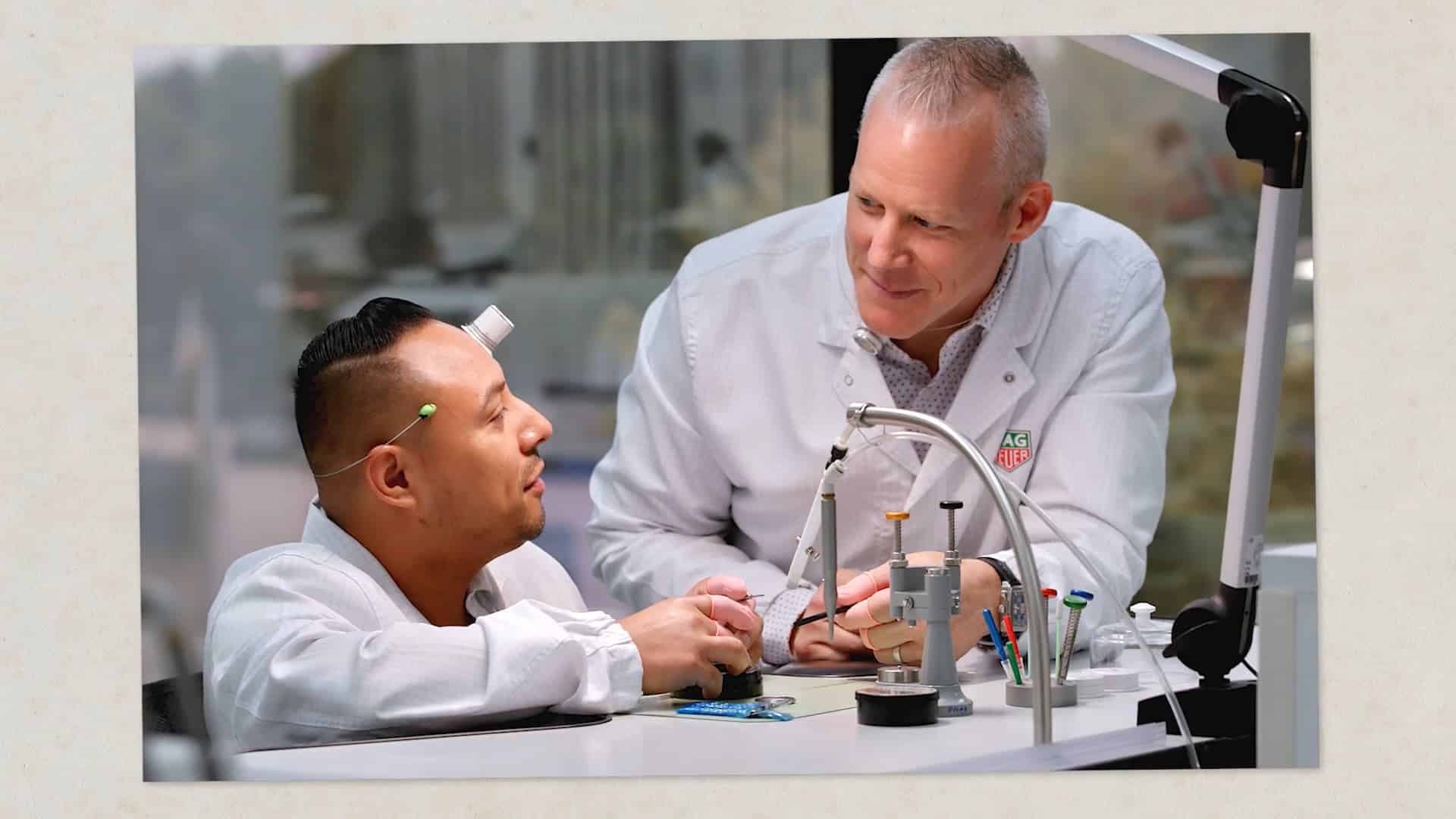
Finishing quality still matters: buyers equate production care with vendor professionalism. The example below shows professional production craft that elevates customer stories beyond casual webcam recordings.
Best Practices for Persuasive Customer Stories
Prioritize customers who resemble your best-fit prospects. A glowing interview from a non-ICP account can confuse positioning. Coach lightly: ask for examples, timelines, and before/after contrasts. Avoid feeding lines that sound like your brochure.
Capture B-roll that proves the relationship: product in their workflow, team collaboration, environments that signal industry fit. In the edit, lead with the problem. Many testimonial films fail because they open with praise before the viewer knows why they should care.
Create a permissions tracker: logo use, name/title display, claim language, distribution channels, and expiration if required. Dual-side approvals are normal; build time for them.
Budget Factors Unique to Testimonials
Beyond standard production costs, testimonials carry coordination overhead: multiple stakeholders, legal reviews, possible travel to customer sites, and contingency if a shoot slips. A studio interview may be simpler logistically; on-site filming often yields richer proof if access is granted.
Package pricing for several customer stories in one quarter usually beats commissioning each film separately—especially when question frameworks and visual systems are standardized. Build contingency into timelines for customer postponements; protecting the relationship matters more than forcing a date that creates resentment.
Vertical nuance matters for what customers can say on camera. Review industries we work within, and use service areas when customer locations drive travel planning. If a strategic logo is outside your usual geography, weigh travel cost against the pipeline value of that proof—sometimes the right story is worth the trip.
Common Mistakes That Waste Customer Goodwill
Over-scripting until the customer sounds unlike themselves. Asking only “How much do you love us?” without decision-process questions sales actually needs. Sitting on footage for months while approvals stall without an owner. Publishing a story the customer later cannot support in a live reference because claims were stretched in the edit.
Another mistake is making only one long cut. Sales may need a 45-second clip on a specific objection; marketing may need a two-minute site embed. Design those deliverables up front so you ask the right follow-ups on set.
How to Choose a Testimonial Production Partner
Look for interview craft, project management maturity, and editorial judgment about what buyers need to hear. Ask how they handle nervous customers, how they structure approvals, and how they deliver sales-ready cutdowns. Review full customer stories, not only highlight reels of smiling faces.
Grey Sky Films helps B2B teams turn hard-won customer relationships into usable proof. Learn more at greyskyfilms.com.
When you have a customer ready—or a short list to pursue—request a quote with story goals, distribution channels, and any known approval constraints.
Turning Testimonials Into Sales-Ready Assets
Marketing often publishes a testimonial and considers the job done. Sales still needs objection-shaped clips: integration concerns, implementation timelines, change management, executive buy-in, ROI conversations, and category alternatives considered. Design the interview to collect those threads even if the hero website film emphasizes the emotional arc.
Create a packaging plan: full story for the site, two or three thematic cutdowns for proposals, a captioned social proof clip, and pull-quote stills for decks. Store them where sellers actually work—enablement portals, CRM content libraries, or shared drives with search-friendly names. A brilliant customer story that sellers cannot find in thirty seconds will not influence pipeline.
Train sellers on how to use the asset. A clip dropped randomly in a first meeting can feel premature; the same clip after a discovery call that surfaced the matching pain point feels consultative. Provide one-sentence intros sellers can use: whose story it is, why it is relevant, and what to listen for. That small enablement step multiplies production ROI.
Close the loop with wins. When a deal cites a testimonial film as helpful, feed that back to customer success and to the customer if appropriate. Recognition encourages future participation and helps leadership see proof content as revenue infrastructure rather than optional brand decoration.
Compliance, Approvals, and Long-Term Rights
Testimonial projects live at the intersection of two brand and legal teams. Map approval steps explicitly: customer marketing, customer legal, your legal, your brand, and sometimes a partner ecosystem owner. Build calendar time for each gate. Rushing approvals after picture lock creates adversarial energy with customers you want to keep happy.
Agree on claim language before fine cutting whenever possible. If a customer said something vivid but unsupportable for public distribution, collaborate on an accurate alternative rather than quietly trimming context in a way that changes meaning. Trust cuts both ways: buyers trust the customer; the customer must trust you with their reputation.
Define channels and territories in the release (web, paid social, events, sales only, etc.).
Note whether logos, facility exteriors, and product UIs are cleared.
Set a review owner on the customer side so notes do not arrive from six conflicting threads.
Calendar a rights check before major campaign reuse in later years.
When confidentiality is strict, consider anonymized stories, role titles without company names, or industry-framed composites only if ethically and legally sound—and label them appropriately. Never invent a customer. The entire point of testimonial video is verifiable human proof; shortcuts that undermine verifiability defeat the format.
Industry and Persona Matching for Proof Libraries
A testimonial from the wrong industry can still be flattering and still fail to move a deal. Buyers look for situational resemblance: company size, regulatory pressure, tech stack, go-to-market motion, or operational constraints. Build your proof library as a matrix—industry × use case × persona—rather than a chronologically ordered folder of “nice customers.”
When you cannot secure a logo in every cell of that matrix, prioritize the intersections that appear most often in stalled opportunities. Sales leadership usually knows which missing stories cost deals. Let that revenue insight guide outreach to customer success for nominations, instead of only filming the loudest fans.
Refresh the matrix quarterly. New products, new segments, and new objections appear; an outdated library quietly pushes sellers back to anecdotal storytelling. Treat proof the way you treat pipeline hygiene: visible, categorized, and actively managed.
Frequently Asked Questions
How do we convince customers to participate?
Make it easy, explain distribution clearly, offer approval control, and connect participation to mutual visibility when appropriate. Start with happy, stable accounts—not brand-new logos still ramping.
What if the customer cannot share metrics?
Focus on qualitative outcomes, process improvements, decision criteria, and situational specifics. Honest constraint beats invented numbers.
Should marketing or customer success own the project?
Joint ownership works best: CS protects the relationship; marketing owns narrative and distribution; production runs the day.
How long is a typical testimonial film?
Many website stories run 90–150 seconds, with shorter objection-focused clips for sales and social.
Do we need to film at the customer site?
On-site adds authenticity when feasible. A controlled interview location can still work if B-roll and story specificity compensate.
Can one customer yield multiple assets?
Yes—plan questions for modular answers: one full story, several theme clips, quote cards, and audio pulls if useful.
How often should we refresh testimonial libraries?
Continuously. Aim to add stories as wins land so sales always has recent, relevant proof for priority segments.
Conclusion
Testimonial video production turns customer trust into assets marketing and sales can use repeatedly. The work depends on respectful coordination, sharp interviewing, and edits built for real buying moments.
If you need customer stories that hold up in late-stage deals and on your site, Grey Sky Films can help you capture and craft them. Request a quote to plan your next testimonial or video case study.
Need Help With Your Testimonials Video?
Talk with Grey Sky Films about planning, producing, and delivering testimonials video that supports your brand and business goals.
We combine strategic thinking with cinematic storytelling to create videos that not only look great and also drive real results, and here’s what makes us different.
25+ Years Experience
Award-winning expertise you can trust
National & International
Serving clients across NJ, NY, PA, CT and beyond
Full-Service Production
End-to-end solutions from concept to delivery
Multi-Industry Specialists
Experts in Healthcare, Pharma, Industrial, Non-Profit and more
Real Clients, Real Reviews
Don’t just take our word for it! Hear directly from the brands and businesses we’ve partnered with to bring their stories to life.
"I’ve worked with GSF on several projects over several years and I knew they would knock it out of the park with the production. Mark Serao, as a director, is very observant, very collaborative with no ego, and he’s great at problem-solving. It was a fun [project] to do!”
Rob SchnappSenior Vice President, Executive Creative Director, Coyne PR
“We were going through a rebrand process and we needed a partner that was agile and could jump right in and satisfy our video needs. We needed to trust that we took on a partnership to deliver work that was of the same quality that we deliver to our clients, and the Grey Sky team did just this, they exceeded our expectations.”
Jess SpataroBrand Director/Strategist Lead, Studio Eagle
“Wow! I love working with Grey Sky. They put a tremendous amount of effort into every project. 1) They care about the quality of the work. 2) They care about you as a client. 3) They want to ensure that you get everything you need and more. You can tell that they care about the relationship and will work hard to deliver high quality, ahead of schedule and at a reasonable price. It’s rare to find a partner who delivers so much on every level.”
Alon FederDirector of Marketing, Leafguard
“We had an incredible experience working with the team at Grey Sky Films. Their creative ideas and direction helped us translate our message to a series of television commercials which have been well-received by our target audience.”
Rhonda MarazitiChief Marketing Officer, Withum+
"The team at Grey Sky is fantastic to work with-professional, responsive, and attentive to our needs. They provide excellent creative direction and make it easy to collaborate, even though none of our film participants are professional actors. The final product is always outstanding."
Phillippe BeekmanSenior Vice President, Hunterdon Health Foundation
"I’ve worked with Grey Sky Films for over a decade. They were the first production company I hired after interviewing countless others, and that decision set the tone for everything that followed. Mark and Dana were deeply invested in the project from the start. They consistently went above and beyond to create a professional, comfortable on-set environment, while also pushing the creative to ensure the final product was something we were all truly proud of. Over the years, I continued collaborating with the Grey Sky team as both an actor and producer, building a relationship rooted in trust, creativity, and shared vision. I’m especially proud to say that our most recent project together brought award-winning actors to set and attracted the attention of producers who went on to pitch the pilot to major networks, including The WB, Freeform (now part of The Walt Disney Company), and Paramount."
Stacey Van Gorder LeungProducer, Founder SV Acting Studio
Our Simple Process
From the first call to a final cut, our streamlined method ensures clarity, creativity, and results without the stress or guesswork.
We start by understanding your goals, audience, and vision through in-depth consultation
Plan
Develop a comprehensive strategy including scripting, storyboarding, and production scheduling
Action
Execute the production and deliver a polished final product that achieves your objectives
Our Clients
Trusted by leading brands across all industries
Ready To Start Your Project?
From initial concept to final delivery, we handle every step of the video production process, crafting powerful stories that captivate your audience, amplify your brand, and drive real results.