Video Strategy for Decision-Makers Who Need Content That Earns Its Budget
Video strategy is the pre-production discipline that answers why this film exists, who it must move, where it will run, and how success will be judged. Without it, production becomes an expensive way to decorate an unclear plan. With it, creative choices, shoot scope, and deliverables map to pipeline, brand, recruiting, or education goals instead of personal taste.
Grey Sky Films works with marketing and communications leaders who need strategy that is practical—not a 40-page manifesto no one reads after the kickoff. Our approach connects business objectives to audience journeys, channel realities, message architecture, and a production roadmap. It sits alongside our production services so recommendations stay makeable, not merely inspiring.
This page explains what video strategy includes in a production context, when to invest, how we run the work, what deliverables look like, and which budget and governance factors matter before you greenlight creative development or shooting.
Key Takeaways
Video strategy defines audience, job-to-be-done, message hierarchy, distribution, and KPIs before creative locks.
Strategy prevents “one film for everything” by clarifying which stories belong in hero assets versus modular content.
Channel constraints (length, aspect ratio, sound-off viewing) belong in strategy, not as late trafficking surprises.
Strong strategy documents trade-offs: what you will not say, shoot, or measure so scope stays honest.
Budget for strategy is driven by research depth and stakeholder complexity; it is usually cheaper than misaligned production.
Use case studies as proof patterns—not templates to copy blindly.
What Video Strategy Means in Pre-Production
In a production partnership, strategy is not the same as a full marketing plan. It is the focused layer that makes video decisions coherent: primary audience and secondary audiences, funnel stage, core tension and promise, proof requirements, tone boundaries, distribution map, success metrics, and sequencing if you need multiple assets over time.
Strategy also decides what not to make. Many organizations have a backlog of “we should film that someday.” Strategy prioritizes against outcomes and capacity. It may recommend a single high-impact film, a phased roadmap, or a repeatable system via content packages that amortize production days across channels.
When strategy is skipped, creative development becomes guesswork and production becomes a negotiation of opinions. When strategy is clear, later stages move faster because the team is no longer debating purpose mid-edit.
When Strategy Work Is Worth Formalizing
Formalize strategy when video spend is rising, when multiple teams request films, when prior videos underperformed for unclear reasons, or when you are entering a new market or repositioning the brand. It is especially valuable before multi-asset campaigns and before building an always-on content engine.
Portfolio chaos: Many videos exist, but none clearly own a job in the funnel.
Launch pressure: A hard date exists, and creative must serve media and sales simultaneously.
Leadership misalignment: Executives disagree on whether video is brand, demand, or culture.
Channel expansion: You are adding CTV, LinkedIn, events, or sales enablement and need a coherent asset plan.
If you already have a sharp brief, locked KPIs, and a single owner, strategy can be a short confirmation exercise. The point is intentionality—not ceremony.
Grey Sky Films Strategy Process
We start with outcomes and constraints, then work backward into audiences and content roles. We review what you already have, where prospects actually get stuck, and which claims you can prove on camera. Recommendations are specific: asset types, approximate runtimes, production implications, and a suggested sequence.
Workstream
Questions we answer
Output
Business & KPI alignment
What decision should this video influence?
Success definition and priorities
Audience & journey
Who watches, with what prior knowledge and objections?
Audience briefs and message jobs
Message architecture
What must be said, proven, and deferred?
Hierarchy and claim boundaries
Channel & format plan
Where does it run, in what lengths and ratios?
Deliverables matrix
Roadmap & scope
What do we make now vs later?
Phased production plan
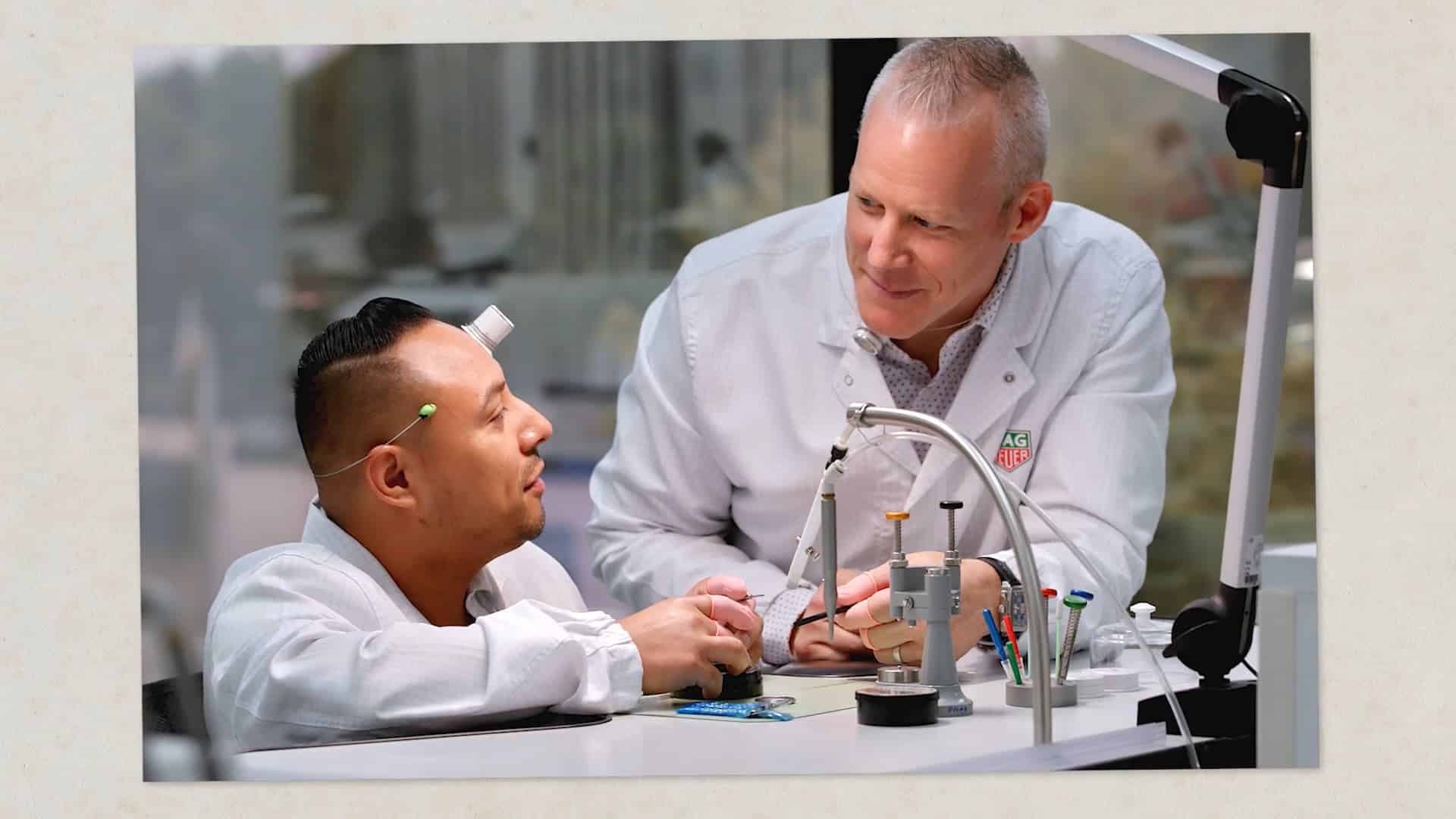
Reference craft helps stakeholders agree on quality bar while strategy stays outcome-led. The example below is useful when teams need a shared sense of professional pacing without confusing style preference for strategic fit.
Strategy Deliverables That Teams Actually Use
Expect a strategy brief or memo, audience and message maps, a recommended asset mix, a distribution and deliverables matrix, KPI hypotheses, and production implications (scope, risk, sequencing). For larger programs, include a 90-day or multi-quarter roadmap so creative development has a queue instead of a scramble.
Good strategy is short enough to be read and specific enough to constrain creative. If a document cannot help a producer say yes or no to a request, it is decoration.
Budget and Scope Drivers
Strategy cost rises with number of audiences, markets, product lines, and stakeholders. Competitive review, internal interviews, and workshop facilitation add depth—and value—when the organization is fragmented. Rush timelines compress research and increase the risk of recycled assumptions.
Compare proposals on clarity of method and decision outcomes, not slide count. Ask how strategy handoffs into creative development and production. Partners familiar with your category can move faster; browse our industry experience and confirm regional support through service areas when workshops or multi-site planning are involved.
Mistakes That Undermine Video Strategy
Confusing vanity metrics with decisions. Writing strategy after the treatment is already loved. Ignoring sales and customer insights. Planning a hero film with no cutdown path for the channels that will actually spend. Setting KPIs the creative cannot influence. Treating strategy as a one-time workshop with no owner afterward.
Another frequent failure is strategy that never names constraints. Unlimited ambition looks visionary in a deck and becomes chaos on a call sheet. Grey Sky Films forces trade-offs into the open so creative and budget stay connected.
How We Keep Strategy Practical
We write for operators: marketers who have to brief agencies, producers who have to schedule reality, and leaders who have to approve spend. We connect recommendations to what can be filmed and finished on your timeline. And we leave you with a document that can survive a new stakeholder joining mid-project.
To scope a strategy engagement before your next production cycle, request a quote with goals, channels, and any fixed launch dates.
Building a Message Architecture That Survives Production
Message architecture is the bridge between strategy and creative. It ranks what the audience must understand first, what proof supports that understanding, and what can wait for a landing page, sales call, or follow-up film. Without ranking, every stakeholder’s favorite sentence tries to enter the first thirty seconds—and the film collapses into a brochure.
Start with the primary audience question. Then list objections that block the next step. Map each objection to a visual or verbal proof you can capture honestly. If you cannot capture it, decide whether to change the claim, use a graphic treatment, or move the point out of the hero film. This inventory becomes the spine of scripting and the filter for “nice to have” scenes that inflate shoot days.
Primary promise: one sentence a stranger could repeat accurately.
Proof set: people, process, product, or place moments that make the promise credible.
Defer list: true statements that belong in supporting assets, not the hero cut.
Language rules: words to use, words to avoid, and claims that need legal review.
Revisit the architecture when distribution changes. A sales-enablement chapter film can carry denser proof than a paid social cut. Strategy should pre-authorize those differences so editors are not inventing priorities under deadline.
Strong architecture also prevents competitive sameness. If every peer in your category leads with “innovation” and “partnership,” your hierarchy should force a sharper tension—risk reduced, time saved, clarity restored, complexity handled. Strategy work that stops at category clichés produces films that feel expensive and forgettable. Grey Sky Films pushes for language and proof that a buyer could not paste onto a competitor’s homepage without noticing the lie.
From Strategy to Production Roadmap
A roadmap turns strategy into calendar reality. It sequences assets by dependency and impact: sometimes the corporate overview must exist before testimonials make sense; sometimes a product demo unlocks paid media before a brand film is ready. Roadmapping also protects budgets by clustering shoots—capturing multiple stories in one production window when locations and talent overlap.
Include refresh logic. Video ages factually faster than it ages visually. Strategy should note which supers, titles, and chapters are likely to change, and whether the production plan should leave room for inserts. That foresight is part of responsible pre-production planning, not an afterthought for next year’s panic.
Finally, assign ownership. Strategy without an owner becomes a PDF in a drive. Name who maintains the roadmap, who accepts new video requests against it, and how exceptions get approved. Governance is unglamorous and is often what separates a coherent video program from a pile of one-offs.
A practical roadmap also names dependencies outside production: legal claim readiness, product availability, executive travel, website redesign dates, and media flight windows. Video strategy that ignores those calendars creates beautiful plans that collide with reality. We surface dependencies early so creative development and scripting start only when the organization can actually finish what it starts.
When stakeholders request “just one more film,” the roadmap becomes the filter. New ideas get scored against audience jobs and capacity—not against who asked loudest in a meeting. That discipline is how video programs stay strategic after the kickoff energy fades.
Frequently Asked Questions
Is video strategy the same as creative development?
No. Strategy defines purpose, audience, channels, and success criteria. Creative development invents the concept that fulfills that strategy. They often run back-to-back, but they solve different problems.
How long does a strategy engagement take?
Many focused projects complete in two to four weeks depending on interviews and approvals. Larger roadmaps for multi-quarter programs take longer.
Can strategy reduce production costs?
Yes, by preventing overscoped films, clarifying must-have deliverables, and sequencing shoots efficiently. The savings show up as avoided waste, not always as a lower day rate.
What inputs should we prepare?
Business goals, audience definitions, existing analytics or funnel notes, brand guidelines, prior videos, and known constraints (legal, locations, talent, dates).
Do we need strategy for a single short video?
If the brief is already sharp, a lightweight strategy check may be enough. If stakeholders disagree on purpose, even a short film benefits from formal alignment.
How do you handle conflicting KPIs?
We surface conflicts early and recommend either separate assets or a clear primary KPI with secondary benefits—not a single film judged by incompatible metrics.
What happens after strategy is approved?
Creative development, then scripting/storyboarding and the rest of pre-production, followed by production and finishing against the deliverables matrix.
Conclusion
Video strategy is how serious brands keep production spend connected to outcomes. It clarifies audience, message, channels, and measurement before creative excitement outruns purpose. The result is fewer orphan assets and more films that earn their place in the marketing system.
If you need a practical strategy before your next shoot or content roadmap, Grey Sky Films can help. Request a quote with your goals, channels, and timeline.
Need Help With Strategy?
Talk with Grey Sky Films about strategy for your next video project — from planning through delivery.
We combine strategic thinking with cinematic storytelling to create videos that not only look great and also drive real results, and here’s what makes us different.
25+ Years Experience
Award-winning expertise you can trust
National & International
Serving clients across NJ, NY, PA, CT and beyond
Full-Service Production
End-to-end solutions from concept to delivery
Multi-Industry Specialists
Experts in Healthcare, Pharma, Industrial, Non-Profit and more
Real Clients, Real Reviews
Don’t just take our word for it! Hear directly from the brands and businesses we’ve partnered with to bring their stories to life.
"I’ve worked with GSF on several projects over several years and I knew they would knock it out of the park with the production. Mark Serao, as a director, is very observant, very collaborative with no ego, and he’s great at problem-solving. It was a fun [project] to do!”
Rob SchnappSenior Vice President, Executive Creative Director, Coyne PR
“We were going through a rebrand process and we needed a partner that was agile and could jump right in and satisfy our video needs. We needed to trust that we took on a partnership to deliver work that was of the same quality that we deliver to our clients, and the Grey Sky team did just this, they exceeded our expectations.”
Jess SpataroBrand Director/Strategist Lead, Studio Eagle
“Wow! I love working with Grey Sky. They put a tremendous amount of effort into every project. 1) They care about the quality of the work. 2) They care about you as a client. 3) They want to ensure that you get everything you need and more. You can tell that they care about the relationship and will work hard to deliver high quality, ahead of schedule and at a reasonable price. It’s rare to find a partner who delivers so much on every level.”
Alon FederDirector of Marketing, Leafguard
“We had an incredible experience working with the team at Grey Sky Films. Their creative ideas and direction helped us translate our message to a series of television commercials which have been well-received by our target audience.”
Rhonda MarazitiChief Marketing Officer, Withum+
"The team at Grey Sky is fantastic to work with-professional, responsive, and attentive to our needs. They provide excellent creative direction and make it easy to collaborate, even though none of our film participants are professional actors. The final product is always outstanding."
Phillippe BeekmanSenior Vice President, Hunterdon Health Foundation
"I’ve worked with Grey Sky Films for over a decade. They were the first production company I hired after interviewing countless others, and that decision set the tone for everything that followed. Mark and Dana were deeply invested in the project from the start. They consistently went above and beyond to create a professional, comfortable on-set environment, while also pushing the creative to ensure the final product was something we were all truly proud of. Over the years, I continued collaborating with the Grey Sky team as both an actor and producer, building a relationship rooted in trust, creativity, and shared vision. I’m especially proud to say that our most recent project together brought award-winning actors to set and attracted the attention of producers who went on to pitch the pilot to major networks, including The WB, Freeform (now part of The Walt Disney Company), and Paramount."
Stacey Van Gorder LeungProducer, Founder SV Acting Studio
Our Simple Process
From the first call to a final cut, our streamlined method ensures clarity, creativity, and results without the stress or guesswork.
We start by understanding your goals, audience, and vision through in-depth consultation
Plan
Develop a comprehensive strategy including scripting, storyboarding, and production scheduling
Action
Execute the production and deliver a polished final product that achieves your objectives
Our Clients
Trusted by leading brands across all industries
Ready To Start Your Project?
From initial concept to final delivery, we handle every step of the video production process, crafting powerful stories that captivate your audience, amplify your brand, and drive real results.