Scripting & Storyboarding for Brands That Need Alignment Before the Call Sheet
Scripts and storyboards are where strategy becomes executable. A script decides what is said and in what order. A storyboard (or shot plan) decides what is seen and how coverage supports the edit. Together they reduce the most expensive uncertainty in filmmaking: people standing on set disagreeing about what the film is.
Grey Sky Films provides scripting and storyboarding as a core pre-production service for commercials, corporate narratives, explainers, recruiting films, and campaign systems. Through our video production services, writers and directors collaborate with producers so language, visuals, and logistics stay connected. The goal is not literature—it is a plan a crew can shoot and an editor can cut without inventing missing pieces.
This guide covers what the service includes, when you need formal boards versus a lean shot list, how approvals should work, what drives cost, and how to avoid scripts that sound good in a Google Doc but fail on camera.
Key Takeaways
Scripts lock message order, VO/dialogue, and timing; boards lock visual approach, coverage, and continuity for the edit.
Approve narrative structure before polishing every line—structure mistakes are costlier than word tweaks.
Design for cutdowns and aspect ratios in the script/board stage if media requires multiple lengths.
Legal and brand review belongs on the script before you hire talent and lock locations around unapproved claims.
Budget drivers include research depth, number of revision rounds, board fidelity (sketches vs frames), and complexity of action.
Calibrate tone against work in our case studies before finalizing style notes in the board.
What Scripting & Storyboarding Includes
Scripting typically covers narrative outline, full draft(s), VO or dialogue, on-screen text, and notes for music or pacing. Storyboarding translates scenes into visual frames—hand sketches, digital frames, or annotated shot lists—showing composition, camera movement, and key action. For many corporate and documentary-leaning projects, a detailed shot list and visual references may replace frame-by-frame boards; for commercials and complex action, boards earn their keep.
This stage also produces supporting production tools: estimated runtimes, scene breakdowns, graphics lists, and flags for props, VFX, or product hero moments. Those tools feed casting, location, and scheduling work that follows.
When brands need modular libraries, scripts should identify chapter points and alternate lines for social cuts so a single shoot supports content packages without rewriting from scratch later.
When You Need Formal Scripts and Boards
Use formal scripting whenever claims, offers, or brand language must be precise. Use boards when visuals are complex, when stakeholders need to see the film before spending on production, or when action, product demos, or multi-location continuity leave little room for improvisation.
Paid media spots: Timing, end cards, and legal supers demand script discipline.
Product and process explainers: Sequence errors confuse viewers; boards prevent missing steps.
Multi-stakeholder brand films: Boards create a shared visual contract.
Stunts, kids, or controlled practical effects: Improvisation is unsafe and expensive.
Leaner interview-led films may use question frameworks and coverage plans instead of dialogue scripts. Even then, a narrative outline for the edit should exist before cameras roll.
Our Scripting and Storyboarding Process
We begin from the approved brief or strategy: audience, promise, proof, tone, and distribution. Writers draft structure first—beats and chapters—then language. Directors and producers review for shootability. Boards or shot plans follow once the narrative spine is stable, so we are not illustrating a script that will change tomorrow.
Stage
Focus
Approval gate
Outline
Beats, runtime target, proof placement
Structure lock
Script draft
VO/dialogue, supers, CTA
Language & claims review
Revision round(s)
Stakeholder consolidation
Script freeze for boards
Boards / shot plan
Frames, coverage, graphics notes
Visual approach lock
Breakdown
Scenes, props, VFX, day splits
Hand-off to full pre-pro
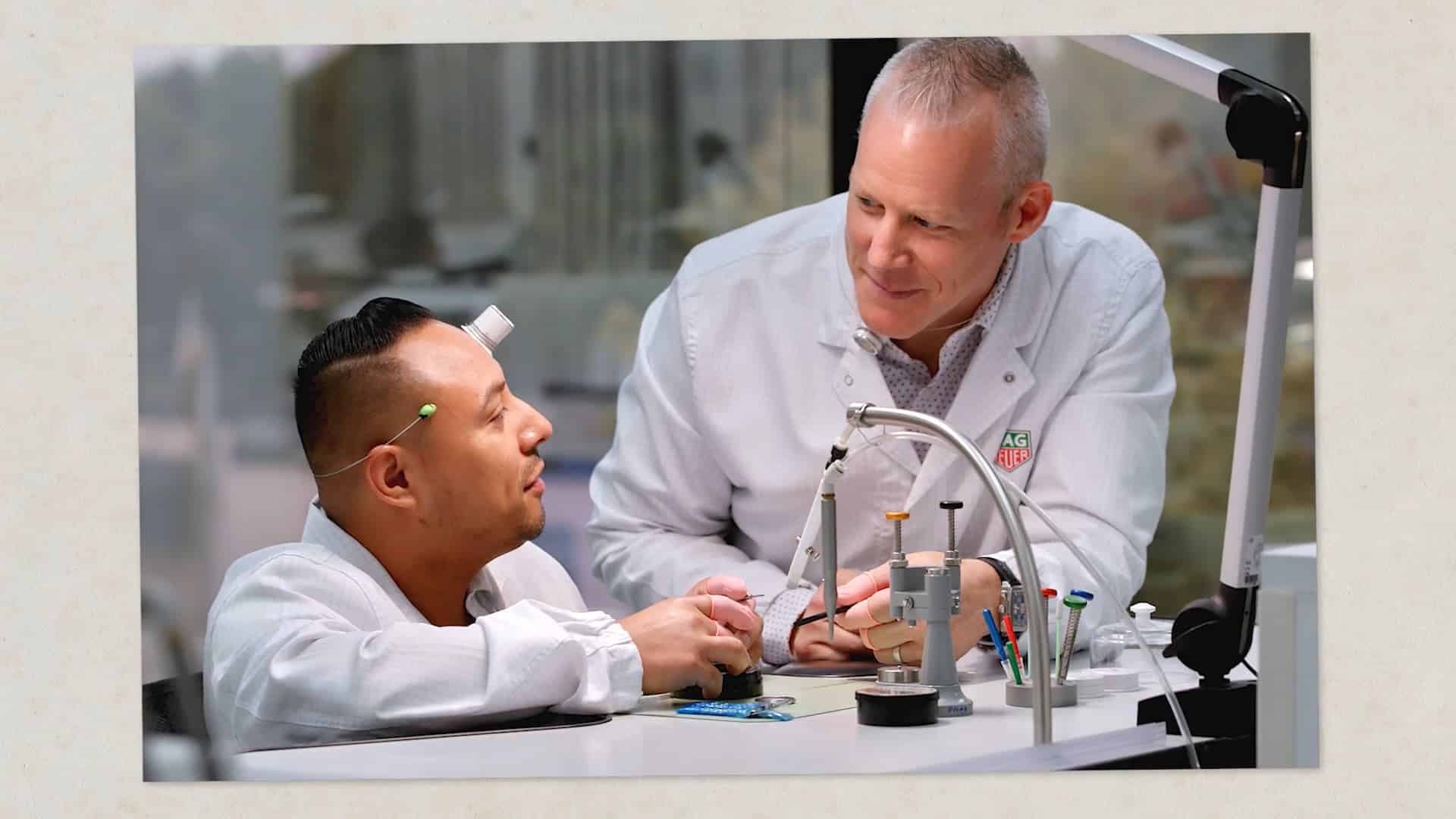
Seeing paced, finished storytelling helps stakeholders understand why script timing and board density matter. Use the reference below as a craft benchmark while reviewing your own runtime targets.
Throughout the process we consolidate notes through one client point of contact. Parallel feedback threads produce contradictory scripts. We also separate “must fix for accuracy or legal” from “preference,” so revision rounds stay productive. That governance is part of the service—not an optional courtesy—because scripting only works when decisions stick long enough to board and schedule against them.
Deliverables and What “Done” Looks Like
Done means an approved script version with clear ownership of final language, plus boards or a shot plan detailed enough to schedule and crew against. You should also have a graphics/supers list, music direction notes if known, and flags for anything still pending legal or product availability.
“Done” does not mean the edit cannot improve pacing. It means the set will not discover missing story beats that required a different location or cast member.
Budget Factors for Scripts and Boards
Cost scales with research needs, number of concepts feeding the script, revision rounds, board fidelity, and whether animatics are required. A VO-driven corporate outline is a different scope than a dialogue comedy spot with frame-accurate boards and timed animatic.
Control cost by consolidating feedback through one point of contact and locking structure before line edits. Category familiarity speeds accurate language; see our industries pages. For regional collaboration and review sessions, check service areas.
When comparing quotes, ask what is included: outline rounds, full script drafts, board frame count, revision limits, and whether a producer/director review pass is part of the fee. The cheapest script is expensive if it cannot be scheduled. Grey Sky Films prices this stage to produce a production-ready package—not a disposable draft that restarts after the first tech scout.
Common Scripting and Storyboarding Mistakes
Writing feature lists instead of scenes. Overwriting VO so every second is speech. Boarding shots the schedule cannot support. Ignoring safe areas for vertical cuts. Approving a script that legal has not seen. Treating the board as decoration instead of a coverage contract.
Another mistake is separating writers from production reality. Grey Sky Films keeps scripting tied to what can be lit, recorded, and finished on your timeline—so the page matches the day.
Equally damaging is endless preference editing after structure was already approved. Line polish has a place; reopening the narrative spine after boards are drawn burns schedule and goodwill. Freeze gates exist to protect craft and budget—use them.
How Grey Sky Films Writes for the Edit and the Channel
We write for sound-on and sound-off where channels demand it. We place proof where skepticism peaks. We leave room for picture to carry meaning instead of narrating every frame. And we build modular options when your media plan needs more than one master.
Ready to lock a script and visual plan before production? Request a quote with brief, runtime targets, and platform requirements.
Writing VO, Dialogue, and On-Screen Text That Work Together
VO, dialogue, and supers should share labor, not repeat it. If the picture shows the product in use, VO can speak benefit; if dialogue carries emotion, supers can carry the offer. Redundancy feels expensive and slow. Conflict—VO saying one thing while text says another—feels careless.
Time the words. A :30 cannot hold a :45 of copy. Read scripts aloud at performance pace, not skim speed. Leave air for music hits, product beauty, and end-card readability. For accessibility and social, plan captions as first-class content, not an export afterthought.
Prefer concrete verbs and specific nouns over abstract brand adjectives.
Put the audience tension early; delay company history unless it is the point.
Assign every claim a visual proof or a deliberate graphic treatment.
Write end cards as designed frames: logo, offer, URL/CTA, legal if required.
For interview-driven films, scripts may be structural rather than word-for-word. Still write the open, transitions, and close you need the edit to hit, and prepare question maps that elicit usable soundbites without forcing executives into unnatural monologues.
Brand voice guidelines help, but spoken language differs from website copy. Scripts should sound like a confident human, not a press release. Test lines with someone outside the project: if they cannot repeat the core idea after one read, the script is still serving internal politics more than the audience. Grey Sky Films rewrites until the page is speakable, shootable, and editable—three tests that brochure copy rarely passes.
From Boards to Call Sheets: Making Visual Plans Shootable
A board that cannot survive a tech scout is a liability. After visual approval, producers break boards into locations, company moves, talent days, and specialty needs (rigging, food styling, motion control, aerials). That breakdown often reveals where two frames should become one setup, or where an implied interior needs a real permit.
Use boards to negotiate with stakeholders too. If a requested shot requires overnight work or a closed street, the board makes the cost visible before anyone is disappointed on set. Conversely, if a simpler coverage plan still sells the idea, boards help you choose efficiency without feeling like creative loss.
Keep version control strict. Label script and board versions, archive approvals, and freeze changes after a stated date unless budget and schedule are formally reopened. Late “tiny” script changes have a habit of cascading into casting, props, and graphics.
Also plan coverage for failure modes: weather, talent timing, product unavailability. A shootable board set includes alternate angles and optional scenes that protect the edit if a hero setup slips. That is not pessimism—it is professional pre-production. Scripts and boards that assume perfect conditions force expensive improvisation when the day inevitably bends.
Finally, connect boards to finishing. If a sequence depends on motion graphics, VFX plates, or complex sound design, mark those dependencies on the board so post is not surprised. Scripting and storyboarding succeed when they brief the entire pipeline—not only the camera department.
Frequently Asked Questions
Do every project need storyboards?
No. Dialogue-light corporate and interview films often need strong outlines and shot lists. Commercials, complex action, and high-stakeholder visuals usually benefit from boards.
How many script revisions are normal?
Two to three focused rounds after outline approval is common. Unlimited rounds usually signal unclear strategy or too many equal approvers.
Should we write the script in-house?
You can provide a draft or messaging. Many brands get better shootability when the production partner scripts against the brief and constraints.
What is an animatic?
A timed sequence of boards with temp audio used to test pacing before production. Useful for spots with hard runtimes and complex visual timing.
How do we handle legal review?
Send the script for claims review before boards finalize and before talent is booked against specific lines. Re-check supers at picture lock.
Can one script support multiple lengths?
Yes if designed modularly from the start—clear hooks, optional proof beats, and end-card variants marked in the document.
Who owns the final script?
Clarify in the agreement. Typically the client owns approved messaging; the production company manages versions through delivery.
Conclusion
Scripting and storyboarding turn intent into a plan crews can execute and stakeholders can approve without guessing. They protect shoot days, legal claims, and edit quality by resolving narrative and visual decisions before overtime begins.
Grey Sky Films can script and board your next film against real distribution and production constraints. Request a quote to get started.
Need Help With Scripting & Storyboarding?
Talk with Grey Sky Films about scripting & storyboarding for your next video project — from planning through delivery.
We combine strategic thinking with cinematic storytelling to create videos that not only look great and also drive real results, and here’s what makes us different.
25+ Years Experience
Award-winning expertise you can trust
National & International
Serving clients across NJ, NY, PA, CT and beyond
Full-Service Production
End-to-end solutions from concept to delivery
Multi-Industry Specialists
Experts in Healthcare, Pharma, Industrial, Non-Profit and more
Real Clients, Real Reviews
Don’t just take our word for it! Hear directly from the brands and businesses we’ve partnered with to bring their stories to life.
"I’ve worked with GSF on several projects over several years and I knew they would knock it out of the park with the production. Mark Serao, as a director, is very observant, very collaborative with no ego, and he’s great at problem-solving. It was a fun [project] to do!”
Rob SchnappSenior Vice President, Executive Creative Director, Coyne PR
“We were going through a rebrand process and we needed a partner that was agile and could jump right in and satisfy our video needs. We needed to trust that we took on a partnership to deliver work that was of the same quality that we deliver to our clients, and the Grey Sky team did just this, they exceeded our expectations.”
Jess SpataroBrand Director/Strategist Lead, Studio Eagle
“Wow! I love working with Grey Sky. They put a tremendous amount of effort into every project. 1) They care about the quality of the work. 2) They care about you as a client. 3) They want to ensure that you get everything you need and more. You can tell that they care about the relationship and will work hard to deliver high quality, ahead of schedule and at a reasonable price. It’s rare to find a partner who delivers so much on every level.”
Alon FederDirector of Marketing, Leafguard
“We had an incredible experience working with the team at Grey Sky Films. Their creative ideas and direction helped us translate our message to a series of television commercials which have been well-received by our target audience.”
Rhonda MarazitiChief Marketing Officer, Withum+
"The team at Grey Sky is fantastic to work with-professional, responsive, and attentive to our needs. They provide excellent creative direction and make it easy to collaborate, even though none of our film participants are professional actors. The final product is always outstanding."
Phillippe BeekmanSenior Vice President, Hunterdon Health Foundation
"I’ve worked with Grey Sky Films for over a decade. They were the first production company I hired after interviewing countless others, and that decision set the tone for everything that followed. Mark and Dana were deeply invested in the project from the start. They consistently went above and beyond to create a professional, comfortable on-set environment, while also pushing the creative to ensure the final product was something we were all truly proud of. Over the years, I continued collaborating with the Grey Sky team as both an actor and producer, building a relationship rooted in trust, creativity, and shared vision. I’m especially proud to say that our most recent project together brought award-winning actors to set and attracted the attention of producers who went on to pitch the pilot to major networks, including The WB, Freeform (now part of The Walt Disney Company), and Paramount."
Stacey Van Gorder LeungProducer, Founder SV Acting Studio
Our Simple Process
From the first call to a final cut, our streamlined method ensures clarity, creativity, and results without the stress or guesswork.
We start by understanding your goals, audience, and vision through in-depth consultation
Plan
Develop a comprehensive strategy including scripting, storyboarding, and production scheduling
Action
Execute the production and deliver a polished final product that achieves your objectives
Our Clients
Trusted by leading brands across all industries
Ready To Start Your Project?
From initial concept to final delivery, we handle every step of the video production process, crafting powerful stories that captivate your audience, amplify your brand, and drive real results.