Music and Stock Licensing for Marketing Teams Who Cannot Afford Surprises
Licensing is where creative taste meets legal reality. The wrong track, the wrong stock clip, or the wrong usage term can stall a launch, force a remix, or create risk after media is already spending. Music and stock licensing for brand video is not paperwork theater—it is how you keep campaigns shippable and defensible.
Grey Sky Films helps clients navigate music and stock licensing as part of post-production and our broader video production services. Marketing, brand, and legal stakeholders use this support when films must run in paid media, across regions, or for extended terms without inheriting ambiguous rights from a temp track someone loved in the rough cut.
This guide covers what licensing typically includes, how to brief usage correctly, what drives cost, how stock footage should be chosen, and how to avoid the temp-love problem that rewrites schedules. Pair it with clear editorial and audio plans so rights decisions happen before finishing locks.
Key Takeaways
Define territory, term, media (paid vs organic), and exclusivity before shopping tracks or stock.
Temp music is a production hazard if picture is cut to it without a clearance path.
Stock footage can solve coverage gaps, but mismatched style or overuse weakens authenticity.
License costs often scale with audience reach and paid usage—not with how much you like the song.
Keep license documents with project archives so future cutdowns inherit proof of rights.
Review real campaign contexts in our case studies when judging whether custom shoot, stock, or hybrid coverage fits.
What Music and Stock Licensing Covers
Music licensing secures the right to synchronize a composition and recording in your video under defined terms. Stock licensing covers stills, footage, or sometimes templates under library terms that vary widely by platform and use case. Both require reading beyond the preview button: where the film will run, for how long, whether paid media is included, and whether competitors can license the same asset.
In practice, a licensing pass includes shortlisting options that match tone and edit, confirming quote parameters with vendors or publishers, routing approvals through brand and legal as needed, and storing executed licenses with delivery. Custom composition or exclusive arrangements are different scopes with different timelines.
Licensing decisions often sit inside larger content packages, where one cleared track and a small stock set may serve multiple cutdowns—if the license terms actually allow those derivatives.
When to Prioritize Licensing Early
Prioritize early whenever paid media, long flight dates, or public brand risk are involved. Commercials, always-on social packages, and evergreen website films need clearer terms than a one-time internal screening. If leadership has already fallen in love with a temp track, treat clearance as urgent—not optional.
Paid and CTV flights: Usage definitions and loudness/delivery partners leave little room for last-minute track swaps.
Evergreen site films: Longer terms may be cheaper than repeated short renewals—model both.
Global or multi-region brands: Territory language matters; “internet” is not always automatic worldwide rights.
Hybrid edits: Stock plus original footage needs style discipline so the film does not feel patched.
If your only need is a private draft, temp libraries can be fine. The moment a draft becomes a public asset, rights must catch up.
A Practical Licensing Workflow in Post
Licensing should run parallel to editorial, not as a finale surprise. A workable sequence keeps creative momentum without painting the team into a legal corner.
Step
Action
Owner input needed
Usage brief
Term, territory, media, exclusivity, derivatives
Marketing + legal
Shortlist
Tone-matched music/stock options with alt choices
Brand creative
Quotes
Confirm real usage, not preview assumptions
Producer + legal
Picture alignment
Edit to clearable options; avoid irreplaceable temps
Editor + producer
Execute & archive
Sign, pay, store licenses with project files
Producer + client
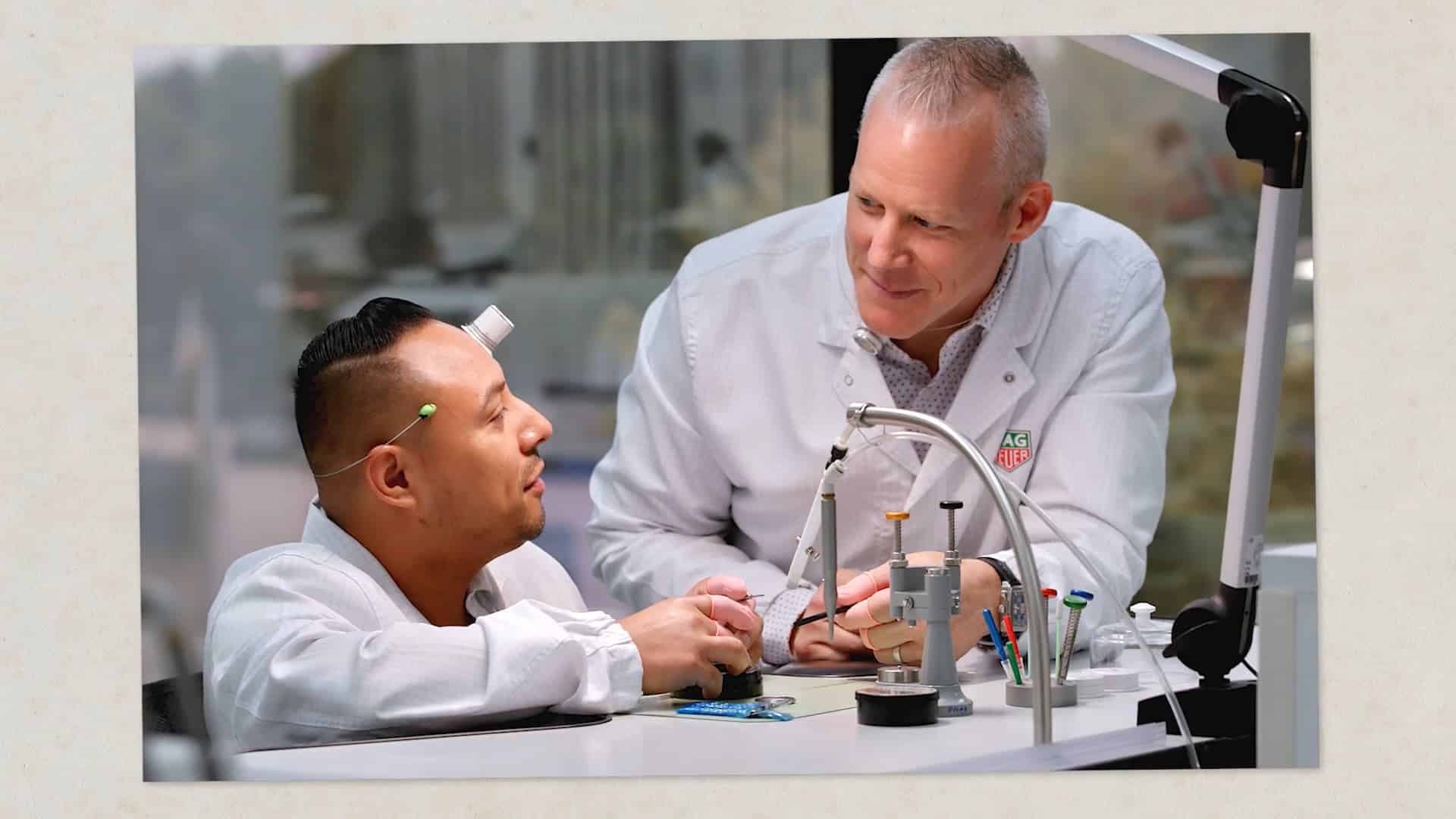
Rights clarity is part of professional finishing. The sample below stands in for the kind of polished brand storytelling teams expect when music and picture are chosen as a deliberate pair—not a last-minute bed under locked picture.
Briefing Usage Without Ambiguity
Write usage in plain language before anyone falls in love with an asset. Include where the video will appear, whether paid amplification is included, estimated scale if vendors ask, start date, end date or evergreen intent, and whether you need exclusivity. Note cutdowns and future edits if you expect them.
“Online use” is not a sufficient brief. Neither is “social.” Paid social, organic social, website, email, events, broadcast, and partner channels can carry different fee structures. If legal needs specific wording, bring them in at quote stage—not after the track is already cut into picture lock.
Keep alternate options. A single irreplaceable choice creates leverage problems and schedule risk if quotes disappoint.
Budget Reality for Music and Stock
Library tracks for limited organic use can be modest; recognizable songs, exclusive licenses, and broad paid/national terms climb quickly. Stock footage pricing also varies by resolution, clip length, and license tier. Budget a licensing line deliberately rather than assuming it hides inside “post.”
Compare total cost of ownership: a slightly more expensive track with clear paid rights may be cheaper than remixing after media rejects an insufficient license. Category tone matters when choosing energy—see our industries pages for context on how different sectors tend to sound and look.
For teams producing across regional markets, coordinate licensing with distribution plans listed under service areas so territory language matches where the film actually runs.
Using Stock Footage Without Weakening the Brand
Stock is a tool, not a substitute for a point of view. Use it to bridge coverage gaps, illustrate abstract ideas, or support motion graphics—not to invent a workplace or product reality you do not have. Mismatched lighting, overused clips, or generic handshakes can undercut otherwise strong interviews.
Prefer stock that matches color science and camera language of your original footage, or grade intentionally so the blend is honest. Limit stock density in films that claim authenticity. When originality matters most, invest in shooting the missing plates instead of papering over them.
Common Licensing Mistakes
Cutting to uncleared temp music until every hit feels “perfect.” Assuming a personal subscription license covers client paid media. Forgetting that cutdowns and year-two flights may need renewed or broader terms. Using stock that depicts competitors’ distinctive environments. Losing license PDFs when staff change.
Confirm who is the licensee: agency, production company, or end client.
Match license dates to real flight and evergreen plans.
Check whether AI-training or third-party platform terms conflict with your needs—read current vendor terms.
Record cue sheets and clip IDs in the project archive.
These errors are preventable with a usage brief and a producer who treats rights as schedule-critical, not clerical.
Working With Grey Sky Films on Licensing
We help teams shortlist clearable options, align quotes to real media plans, and keep licenses organized with delivery. Creative taste still matters—tracks and stock should serve story—but clearance path is part of the craft. Learn more at Grey Sky Films.
When you are ready to scope music and stock for a film or multi-cut package, request a quote with distribution channels, term length, paid vs organic needs, and any mandatory brand music guidelines.
Temp Tracks, Custom Music, and Decision Timing
Temp tracks are useful for pacing conversations and dangerous when they become emotional anchors nobody can buy. Set a house rule: temps must have a clearable twin or a custom-music plan before fine cut. If leadership loves a popular song, get a realistic quote early—or redirect taste toward library or custom options that fit budget.
Custom music can solve uniqueness and rights control when timelines allow composition, revision, and mix. It is not automatically more expensive than premium licensed tracks with broad paid terms, but it does require earlier creative direction. Decide the path at treatment or rough cut—not at color week.
Stock decisions deserve the same timing discipline. If a concept depends on aerials, specialized process footage, or historical material, verify license availability and authenticity before promising the board. Production alternatives may be smarter than hoping a library holds the exact shot.
When custom music is chosen, brief composers with runtime targets, emotional arc, reference tracks you can actually clear as inspiration only, and hard boundaries on vocal hooks or genre clichés that fight the brand. Build revision rounds into the calendar the same way you would for picture. A custom cue delivered two days before launch with no edit room left is not a flexible asset—it is a scheduling failure dressed as originality.
Archives, Renewals, and Operational Continuity
Licenses outlive the people who bought them. Create a simple rights register for each campaign: asset name, vendor, license ID, term start/end, territory, media, file location, and who signed. Store PDFs with the picture archive and in a marketing operations location legal can find. When a film is pulled for a new cutdown six months later, you should not need detective work to know whether paid LinkedIn use is still covered.
Set renewal reminders ahead of evergreen flights and annual campaigns. If a track was inexpensive for a three-month launch, confirm whether extending for a year changes the fee before trafficking assumes continuity. The same discipline applies to stock stills used in end cards or thumbnails. Operational continuity is part of licensing craft, not an afterthought for whoever inherits the drive.
If agencies rotate, require a handoff package that includes licenses, cue sheets, and stock clip IDs. Brands that treat rights as tribal knowledge eventually pay for that informality in rushed replacements and muted campaigns.
Frequently Asked Questions
Is a royalty-free track always safe for paid ads?
Not automatically. “Royalty-free” describes a payment model, not unlimited rights. Read the license tier for paid media, term, and territory. When in doubt, get the usage confirmed in writing.
Can we use a song we already love from a streaming playlist?
Only if you secure synchronization and master rights for your specific use—or choose a different track. Popular songs are often costly or unavailable for commercial video on typical marketing timelines.
Who should hold the license—agency or brand?
It depends on contract norms, but the end client often needs clear rights to keep running the film. Align ownership language before purchase so renewals and archives are not ambiguous.
Do cutdowns need separate licenses?
Sometimes derivatives are included; sometimes not. Confirm that shorter versions, vertical crops, and future edits are covered under the same agreement.
How much stock is too much?
If viewers can tell the company is borrowing someone else’s reality, it is too much for authenticity-led stories. Use stock sparingly and intentionally.
What if our flight extends past the license term?
Renew or renegotiate before the term ends. Build calendar reminders into campaign ops so trafficking does not outlive rights.
Should legal review every library license?
High-risk, high-spend, or unusual usage should involve legal. Standard library purchases still need a marketing owner who understands the tier limits.
Conclusion
Music and stock licensing protect creative work after it leaves the edit bay. Clear usage briefs, early shortlists, and archived proof of rights keep launches on schedule and campaigns defensible.
If you need help clearing music and stock for brand video with real media plans attached, Grey Sky Films can support the process. Request a quote and share channels, term, and creative constraints.
Need Help With Music and Stock Licensing?
Talk with Grey Sky Films about music and stock licensing for your next video project — from planning through delivery.
We combine strategic thinking with cinematic storytelling to create videos that not only look great and also drive real results, and here’s what makes us different.
25+ Years Experience
Award-winning expertise you can trust
National & International
Serving clients across NJ, NY, PA, CT and beyond
Full-Service Production
End-to-end solutions from concept to delivery
Multi-Industry Specialists
Experts in Healthcare, Pharma, Industrial, Non-Profit and more
Real Clients, Real Reviews
Don’t just take our word for it! Hear directly from the brands and businesses we’ve partnered with to bring their stories to life.
"I’ve worked with GSF on several projects over several years and I knew they would knock it out of the park with the production. Mark Serao, as a director, is very observant, very collaborative with no ego, and he’s great at problem-solving. It was a fun [project] to do!”
Rob SchnappSenior Vice President, Executive Creative Director, Coyne PR
“We were going through a rebrand process and we needed a partner that was agile and could jump right in and satisfy our video needs. We needed to trust that we took on a partnership to deliver work that was of the same quality that we deliver to our clients, and the Grey Sky team did just this, they exceeded our expectations.”
Jess SpataroBrand Director/Strategist Lead, Studio Eagle
“Wow! I love working with Grey Sky. They put a tremendous amount of effort into every project. 1) They care about the quality of the work. 2) They care about you as a client. 3) They want to ensure that you get everything you need and more. You can tell that they care about the relationship and will work hard to deliver high quality, ahead of schedule and at a reasonable price. It’s rare to find a partner who delivers so much on every level.”
Alon FederDirector of Marketing, Leafguard
“We had an incredible experience working with the team at Grey Sky Films. Their creative ideas and direction helped us translate our message to a series of television commercials which have been well-received by our target audience.”
Rhonda MarazitiChief Marketing Officer, Withum+
"The team at Grey Sky is fantastic to work with-professional, responsive, and attentive to our needs. They provide excellent creative direction and make it easy to collaborate, even though none of our film participants are professional actors. The final product is always outstanding."
Phillippe BeekmanSenior Vice President, Hunterdon Health Foundation
"I’ve worked with Grey Sky Films for over a decade. They were the first production company I hired after interviewing countless others, and that decision set the tone for everything that followed. Mark and Dana were deeply invested in the project from the start. They consistently went above and beyond to create a professional, comfortable on-set environment, while also pushing the creative to ensure the final product was something we were all truly proud of. Over the years, I continued collaborating with the Grey Sky team as both an actor and producer, building a relationship rooted in trust, creativity, and shared vision. I’m especially proud to say that our most recent project together brought award-winning actors to set and attracted the attention of producers who went on to pitch the pilot to major networks, including The WB, Freeform (now part of The Walt Disney Company), and Paramount."
Stacey Van Gorder LeungProducer, Founder SV Acting Studio
Our Simple Process
From the first call to a final cut, our streamlined method ensures clarity, creativity, and results without the stress or guesswork.
We start by understanding your goals, audience, and vision through in-depth consultation
Plan
Develop a comprehensive strategy including scripting, storyboarding, and production scheduling
Action
Execute the production and deliver a polished final product that achieves your objectives
Our Clients
Trusted by leading brands across all industries
Ready To Start Your Project?
From initial concept to final delivery, we handle every step of the video production process, crafting powerful stories that captivate your audience, amplify your brand, and drive real results.